Stories From the garden

Voices of the Earth - Thyme
Where we come from stays alive and strong whatever we become or wherever we go. Our origins, our Home, our roots, those are part of us. And there are things around the world, things through the years of our life, things we see or smell or touch that, in one instant, can take you back to that place, those roots, that Home. In this blog post Silvia Pedretti, Global Generation’s Senior Project Coordinator, explains that thing, for her, was an encounter with Thyme.

Voices of the Earth - Marigold
The first time I encountered Marigolds, they were called “Calendulitas”. I was helping to sow seeds and plant seedlings in the south of Spain, where a noun adorned with the suffix “ita/o(s)” makes it a tiny version of that thing. Everything we planted was young and small, so everything was referred to in this way.

Voices of the Earth - Sugarcane
Notting Hill Carnival this year was the first in its 50 years to be held online, due to the current situation of the coronavirus pandemic. The organisers decided, mostly for the safety of the community’s elders, to turn the street celebration into a digital experience, making the event available to a wider audience internationally. As I immersed myself in playlists curated for the bank holiday weekend, I closed my eyes and imagined myself wandering between sound systems, accumulating glitter and paint as I danced with other festival-goers admiring the majesty of mas costumes along the way. I snap back as I hear ambassadors speak more of the history of carnival and its Caribbean roots.

Voices of the Earth - oak
Imagine you are sitting in a circle of 50 small Oaks, grown from the acorns of 7000 Oaks planted by Joseph Beuys, hundreds of miles away in Kassel, Germany. This is where our Voices of the Earth journey began.

Voices of the Earth Summer School
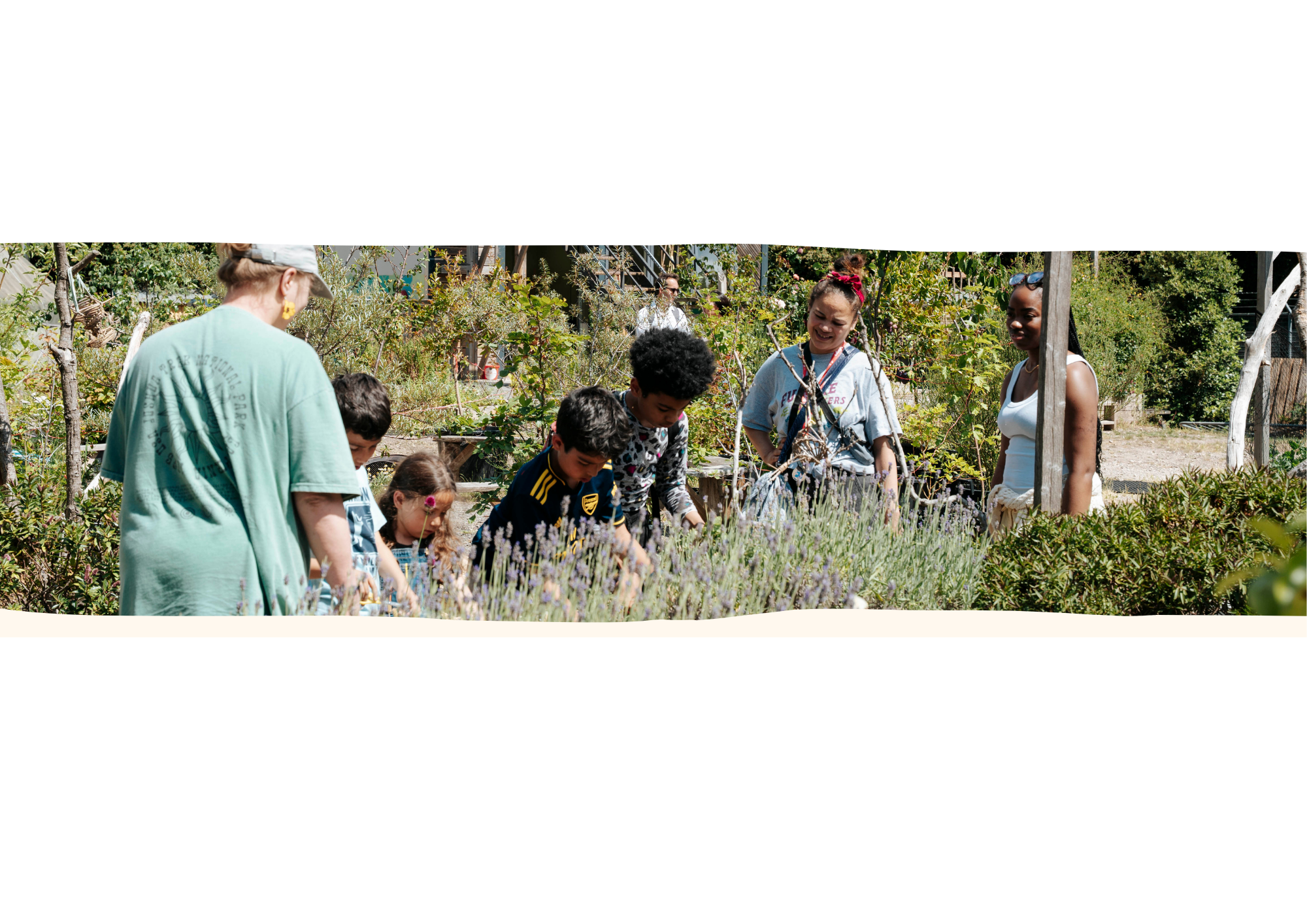
The Voices of the Earth summer school marked a high point in our year-long project funded by The National Lottery Heritage Fund, which is all about the healing power of plants. All in all, 36 participants from a wide variety of backgrounds were involved throughout the week: mothers, children, and young people. This helped us discover and share different experiences, cultural beliefs, and stories, giving everyone the chance to learn not only from nature but also from each other.