Changing perspectives
“What is the organisation you work for called?”
“Global Generation”
“Oh so you work all over the world?”
“No we’re actually hyperlocal”
I experience a version of this conversation often and I can see why people find it confusing that we are called Global Generation, yet our work is geographically very local, rooted in local networks and communities. Our work is about depth, not breadth. A little explaining is necessary at this point, and though it would be handy to have a short strapline that encapsulates what we do, we don’t and perhaps that’s ok because how do you fit a desire to create a change in perspective, a shift in consciousness in a short strapline?
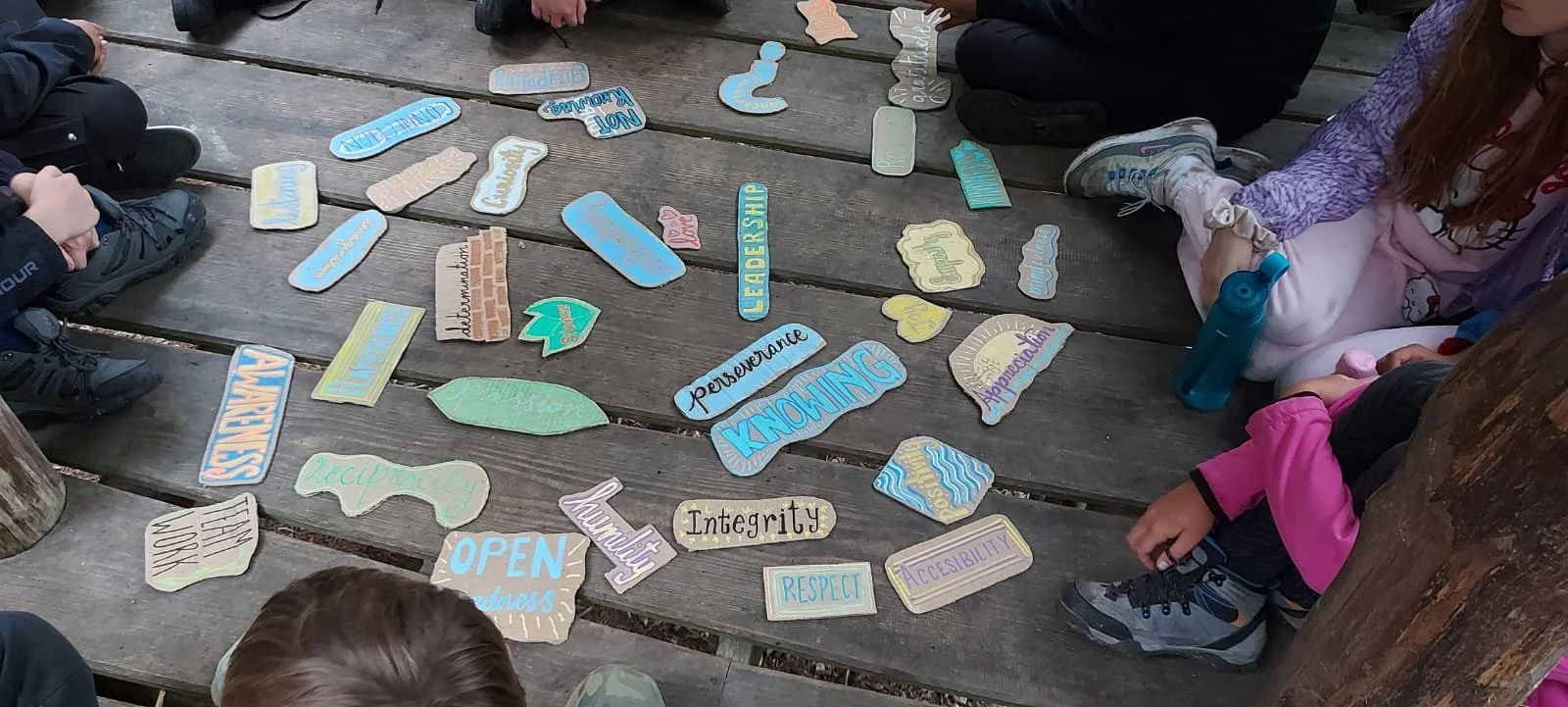
Global Generation's work is rooted in the worldview that ‘we are nature’. Along with the outer changes we hope to achieve, our name ‘Global Generation’ refers to an inner change of perspective that includes rather than separates. Our work is based on the understanding that rather than any of us owning the earth, we all belong to the earth.
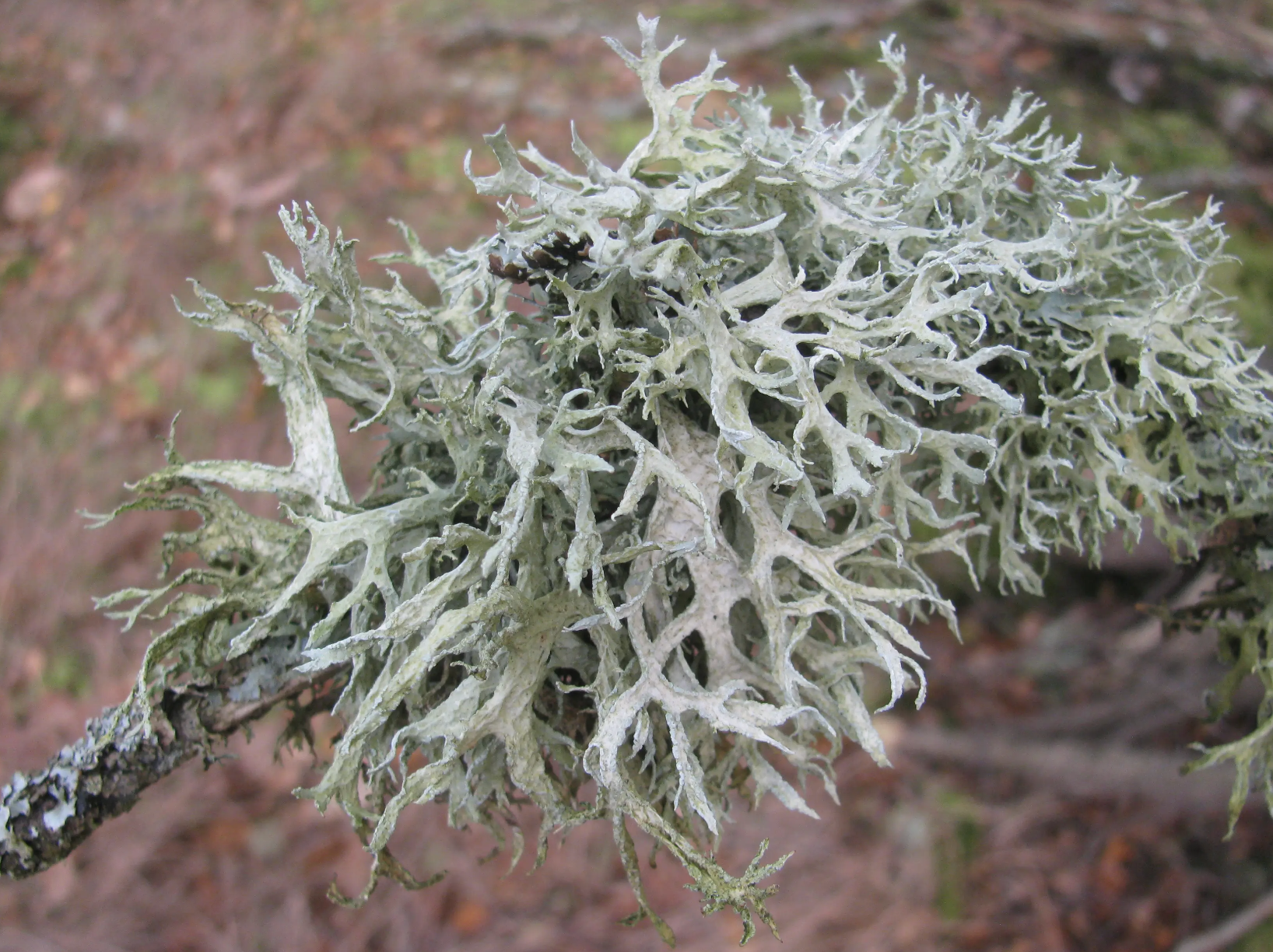
This on the one hand is so obvious, we only need to stop and listen to the Earth to know that we are interconnected. We only need to look at the consequences of our human actions - the use of chemicals on the fertility of the soil, the use of fossil fuels on the change in climate, the cutting down of forests on the loss of biodiversity - to know that we are not separate.
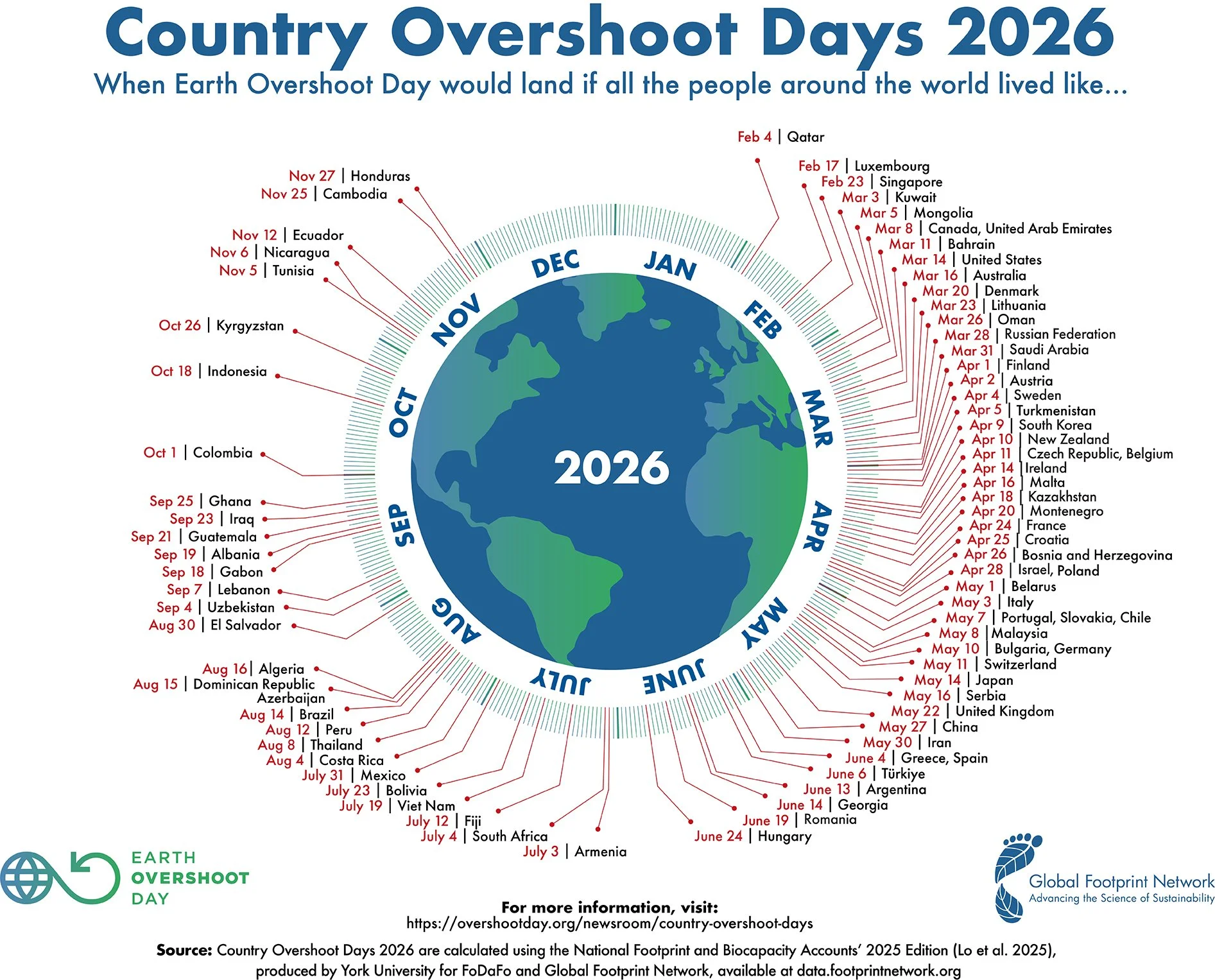
Yet with all the information that is available to us, all the knowledge that we have about what is happening to the Earth as a result of human interventions, all the reports, the graphs, the conferences that are telling us that the future is not looking good, we remain unable to act, and continue to operate as if humans are separate from and own the Earth. We either don’t want to believe the information because it doesn’t serve our current lifestyle, we just want to drill, drill, drill. Or we do absolutely believe but feel powerless to change anything because the issues are just too big, out of our own control. And it does feel demoralising when you’re trying to do your best to recycle, to refill jars, to reuse waste materials but the graphs and the reports only show a worsening situation.
“Of all the dangers we face, from climate chaos to nuclear war, none is so great as the deadening of our response.” – Joanna Macy
I find it helps to see these individual actions within a wider framework of change, and there are many, but the one that resonates the most with me is Joanna Macy’s ‘Three Dimensions of the Great Turning’ - a framework designed to facilitate the shift from an industrial growth society to a life-sustaining one. These dimensions are interconnected, mutually reinforcing, and all of them together are essential for systemic transformation.
The three dimensions are:
Holding Actions to defend Life - these actions help slow down the destruction of life and the environment through buying time, protecting ecosystems, and preventing irreversible damage. Examples include our individual actions as mentioned above, as well as actions such as protests and legal actions.
Transforming the Foundations - to create new regenerative social, economic, and institutional structures that support life, shifting away from an economy based on consumption. Examples include developing local food systems, cooperatives, circular and gift economy models.
Shifting Consciousness - a fundamental shift in perceptions, values, and worldviews to move away from individualism and anthropocentrism toward a sense of interbeing with all life. Examples include experiences and rituals in which we feel the deep connection with the rest of the Living world, making decisions by considering their impact on Future Generations (including all sentient beings) and nature activities that cultivate gratitude and a sense of reverence for the natural world.
“You are not a separate being. You belong to the living body of Earth. You are the Earth, looking up at the stars. You are the Earth, becoming conscious of itself”. – Joanna Macy
Global Generation works with children and young people across these three dimensions.
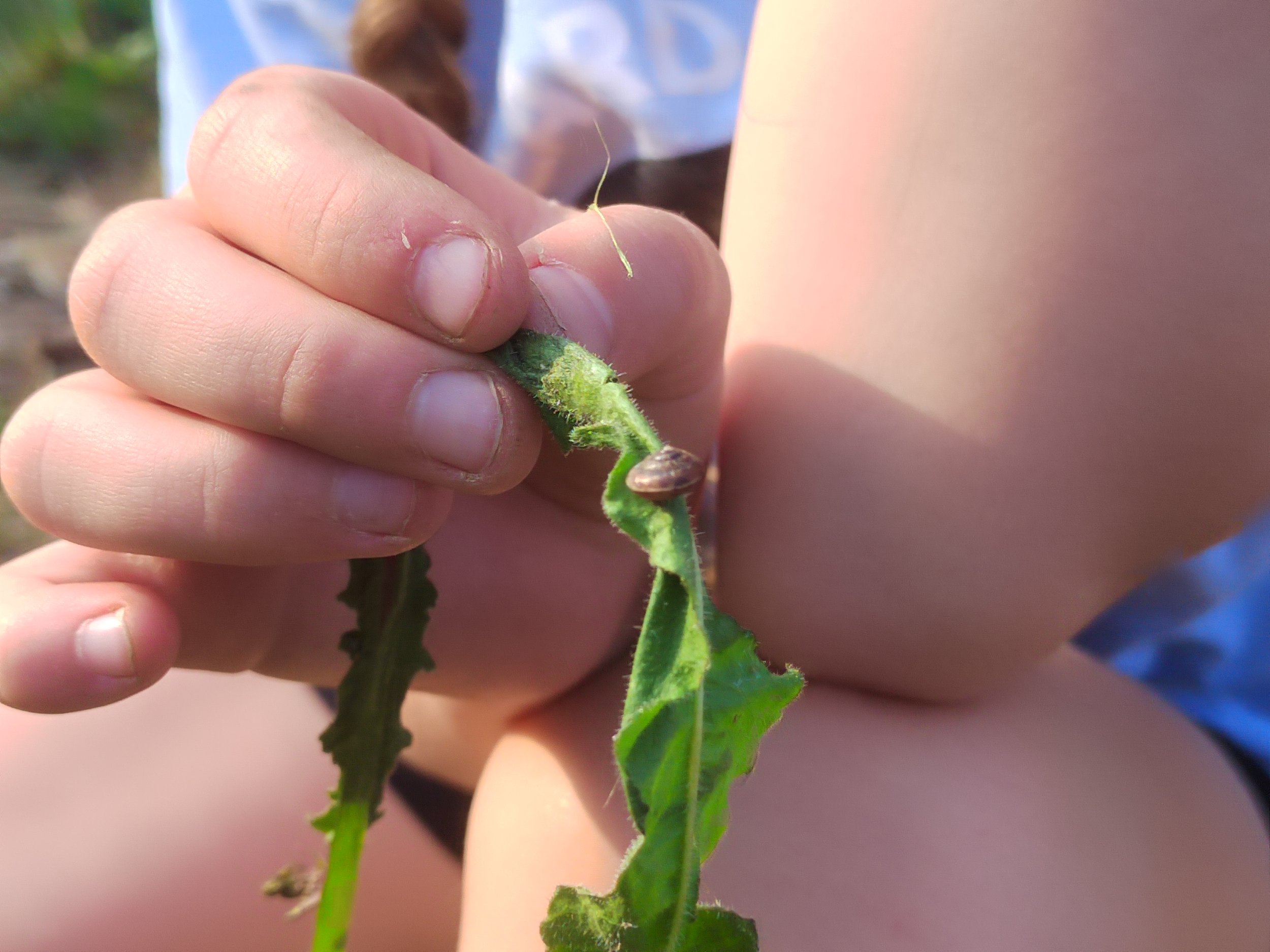
Our hands-on work in the gardens are actions that defend life. Some of these include growing in a regenerative way, nurturing the soil, creating habitats for wildlife; using natural materials which are as local as possible and re-using waste materials in the way that we build and garden; cooking seasonal vegetarian food; and supporting local residents to turn concrete areas into green spaces.
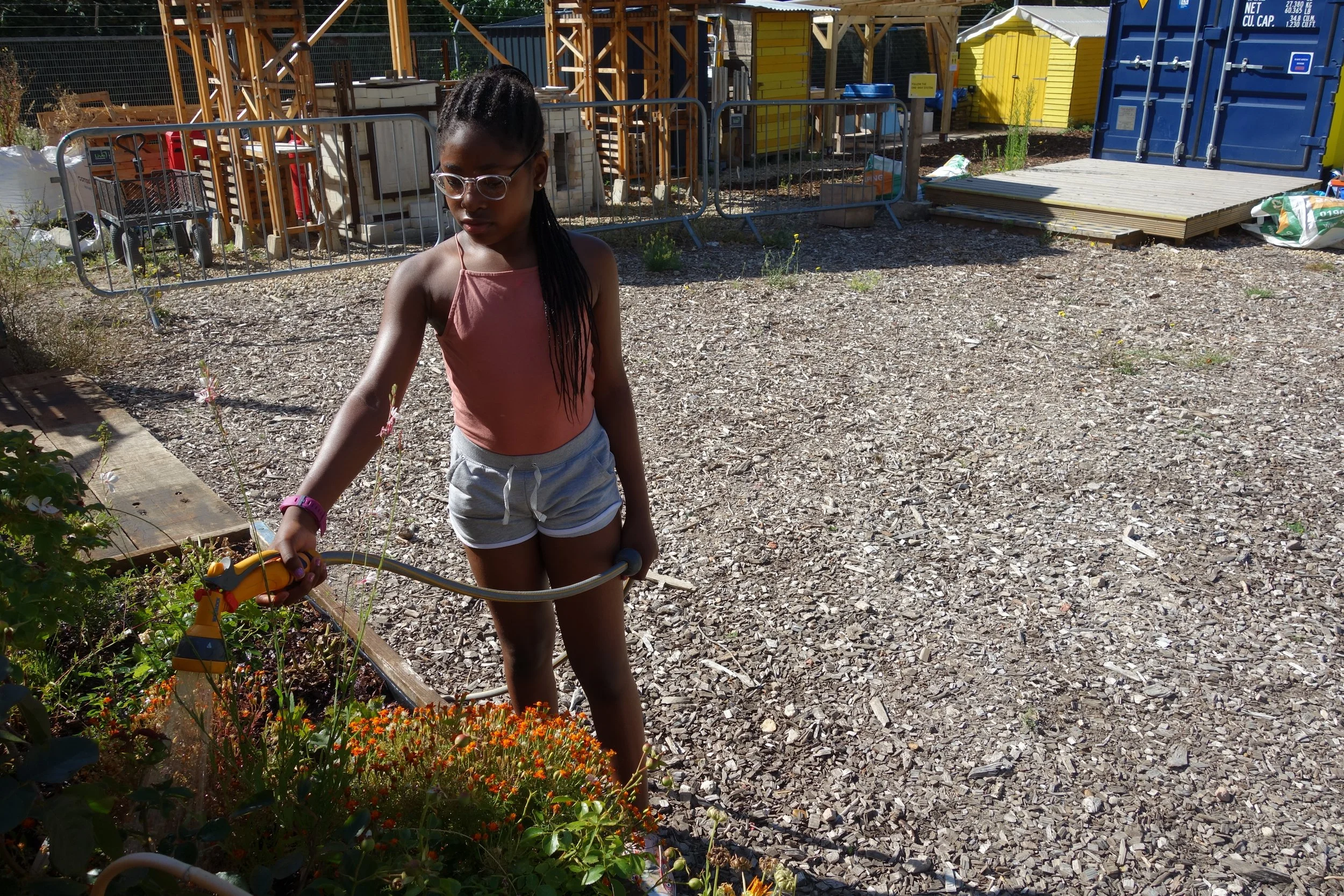
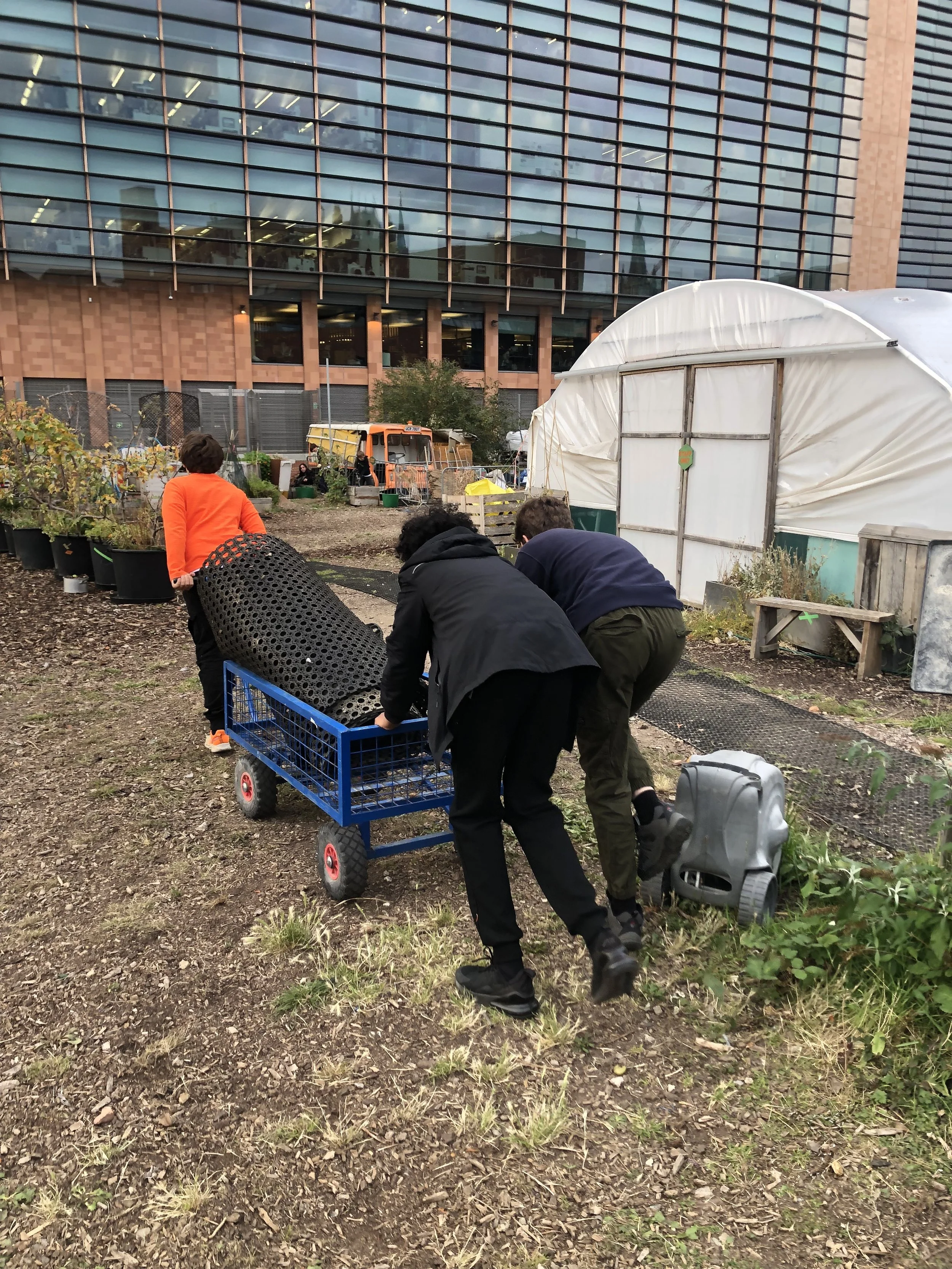
We transform the foundations through co-creation, placing members from the local community who are usually excluded from decision-making at the heart of creating garden spaces, working side by side with others across all ages, abilities, backgrounds and sectors, finding common ground beneath the differences. As a result the gardens offer safe, inclusive and creative spaces, referred to by one of our members of staff, who first joined our programmes as a young person over 10 years ago, as a third space. Others, inspired by Ilya Prigogine (Nobel Prize-winning chemist), refer to these spaces as “small islands of coherence in a sea of chaos (that) have the capacity to shift the entire system”.
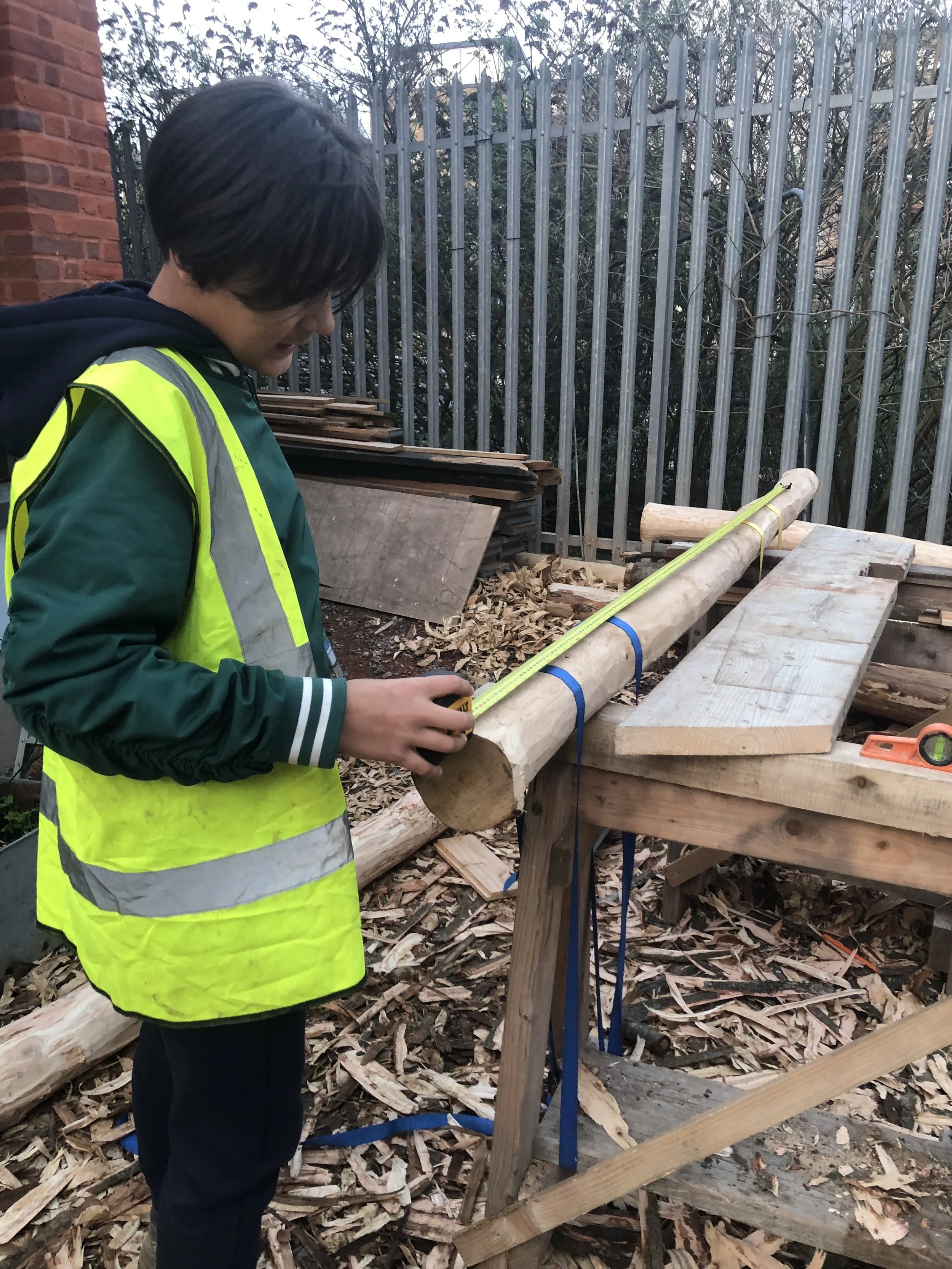
These are really important and key aspects in our work. However, we place equal emphasis on the invisible, inner change work which can be overlooked in environmental work, in order to shift consciousness. We pair our hands-on practices with reflective practices that encourage participants to reflect, recognise and communicate the changes of perspective that are taking place inside of them. We do this through participatory action research, values-based work, as well as practices that encourage different ways of knowing in which we use all of our senses, such as creative writing, art and making, storytelling, stillness, movement and deep listening.
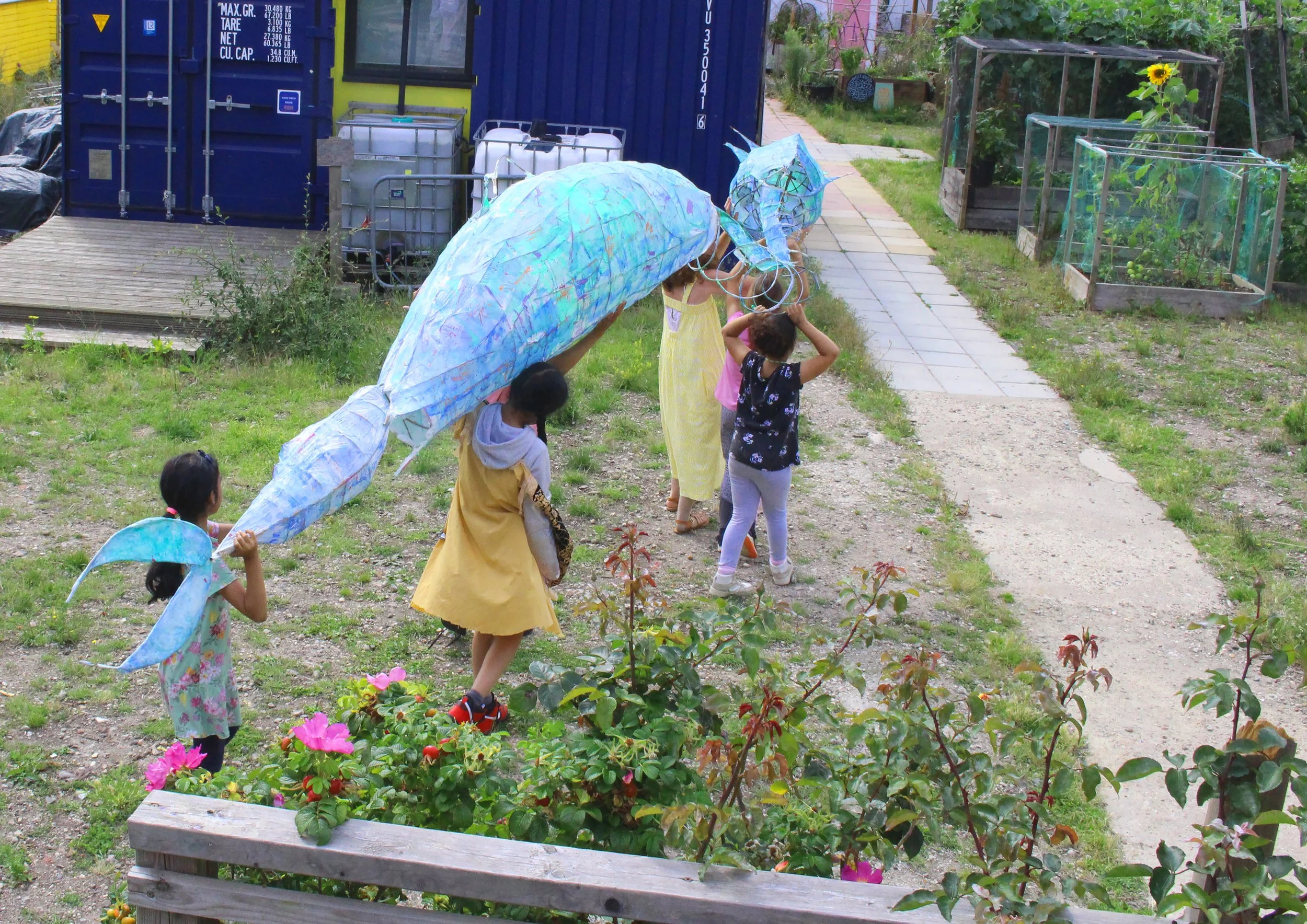
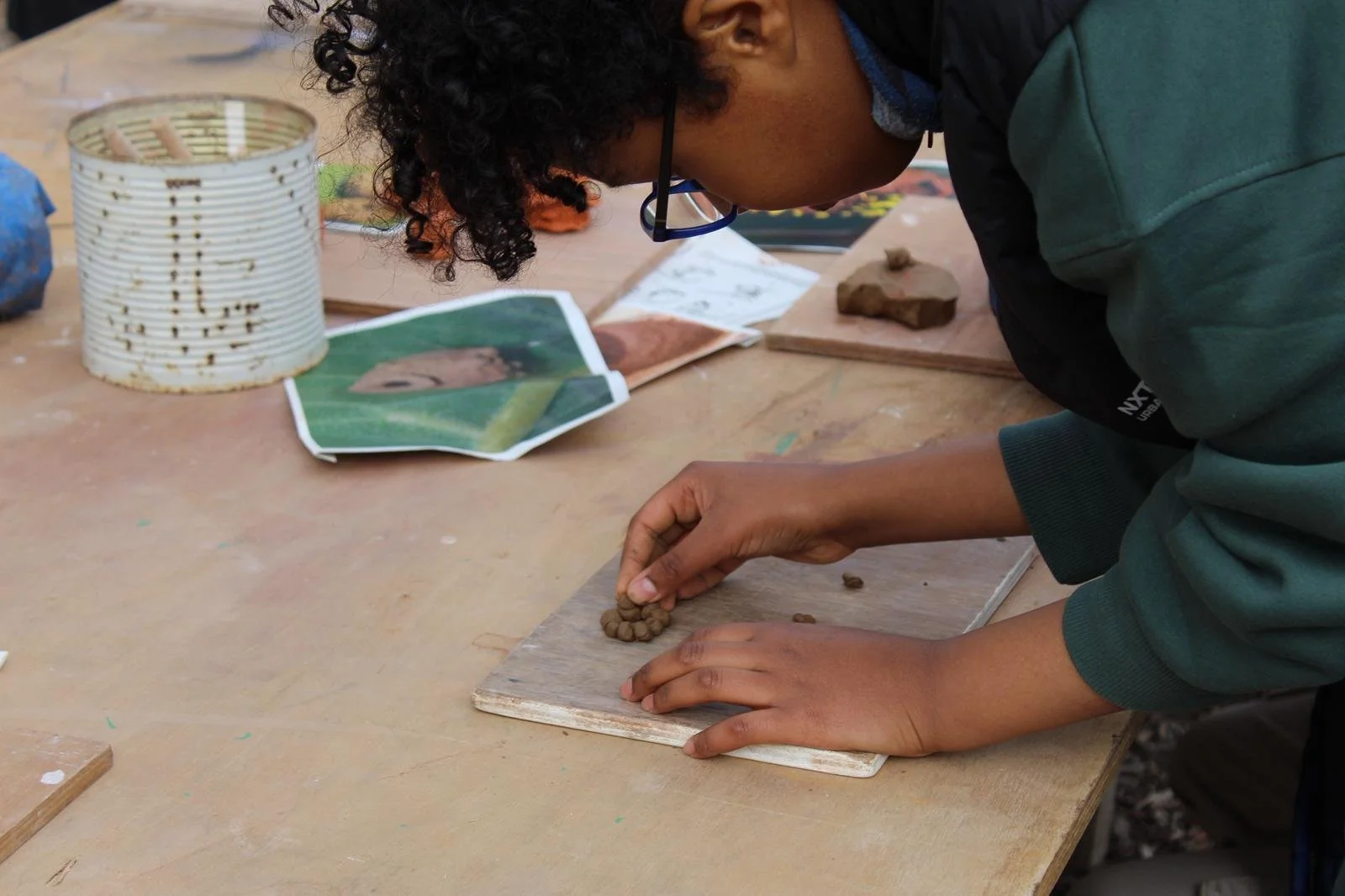
We find across our work that in our world that is so full of complexities and challenges on a personal, local and global scale, that it is from this inner space that the young people we work with find the passion and energy necessary to care deeply and to make changes in their lives and in their communities for all of life to thrive. When we listen to the Earth, not just with our brain, but with all of our senses, we open up a different awareness, a simplicity, a knowing of what to do and how to be.
“The earth will solve its problems, and possibly our own, if we will let the earth function in its own ways. We need only listen to what the earth is telling us” - Thomas Berry
“I can hear the chirping of urban birds over the metallic hum of the overground, heralding the arrival of spring. It feels like a special place, an oasis of hope in a concrete desert. A waste dumping ground, reborn as a garden, a place where plants and children grow together.” - Young Person, Kings Cross
Notes from the Garden
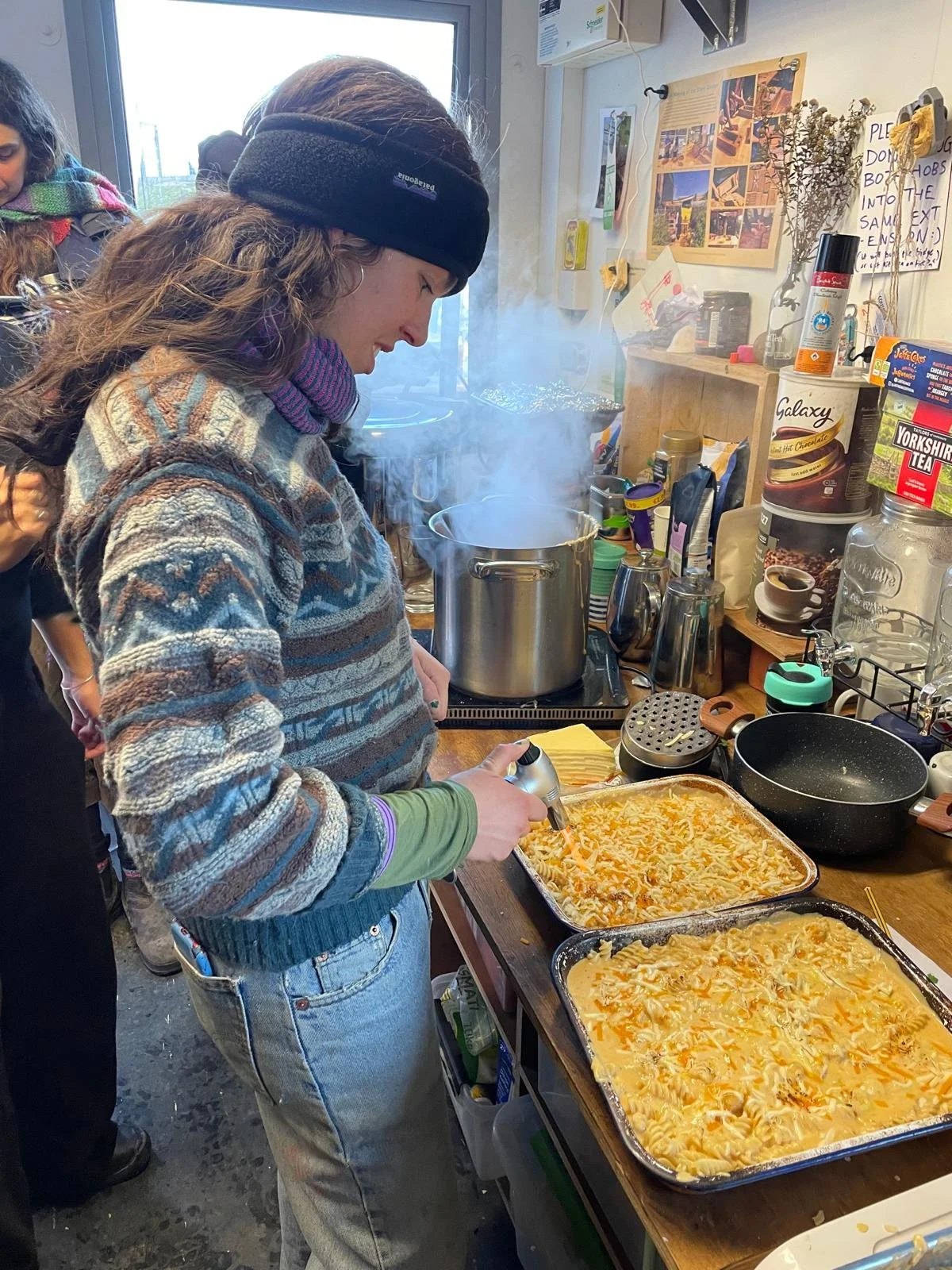
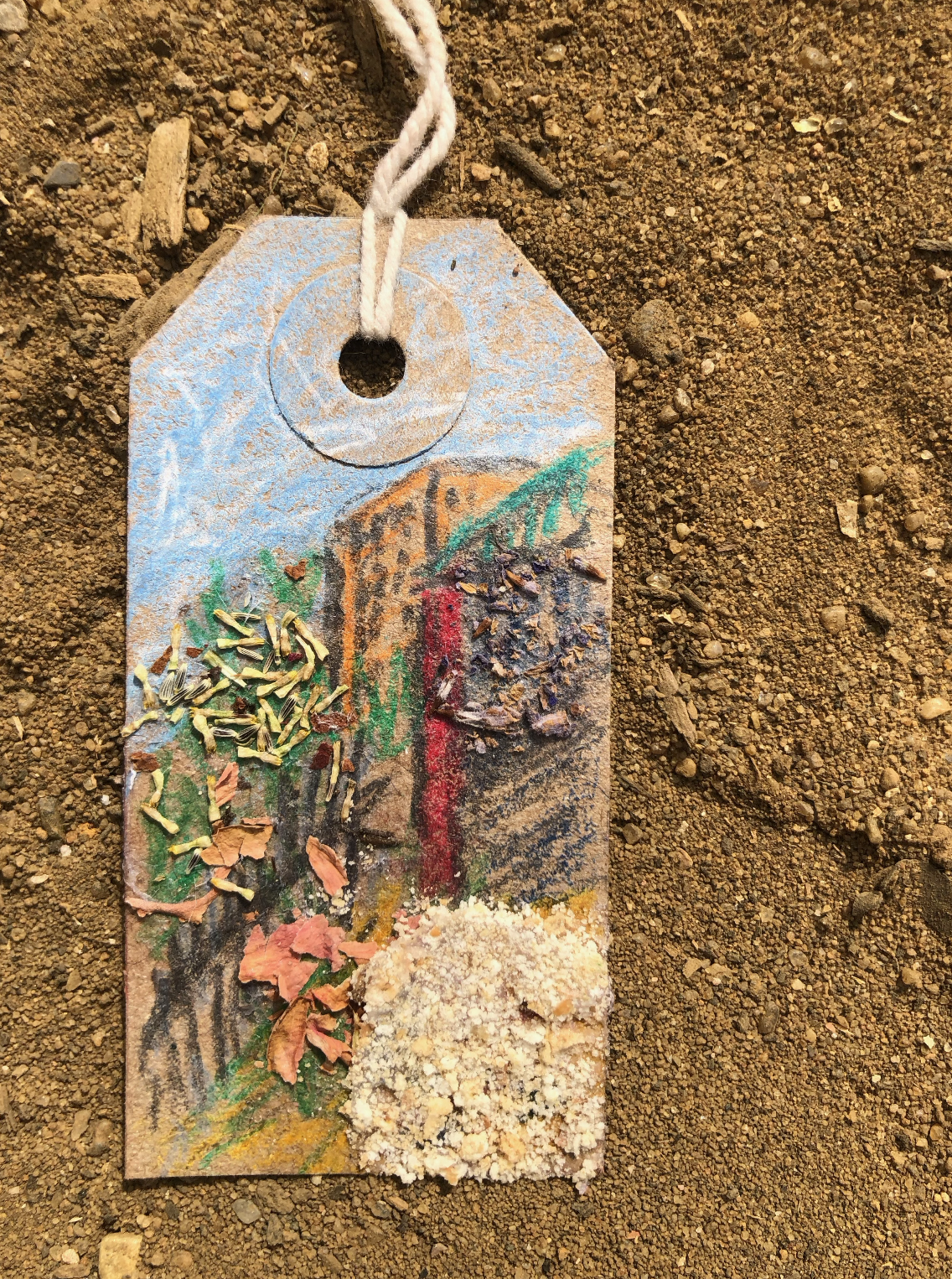
In this story, Linda goes back to December 2023 where school children from Edith Neville and Rewilding Children’s Imaginations funders , Pia Jones and Sarah Pimenta, took a deep dive into London lost rivers. A story about how a project from the past can still inform programmes in our new Story Garden.