
What does deep learning really mean?
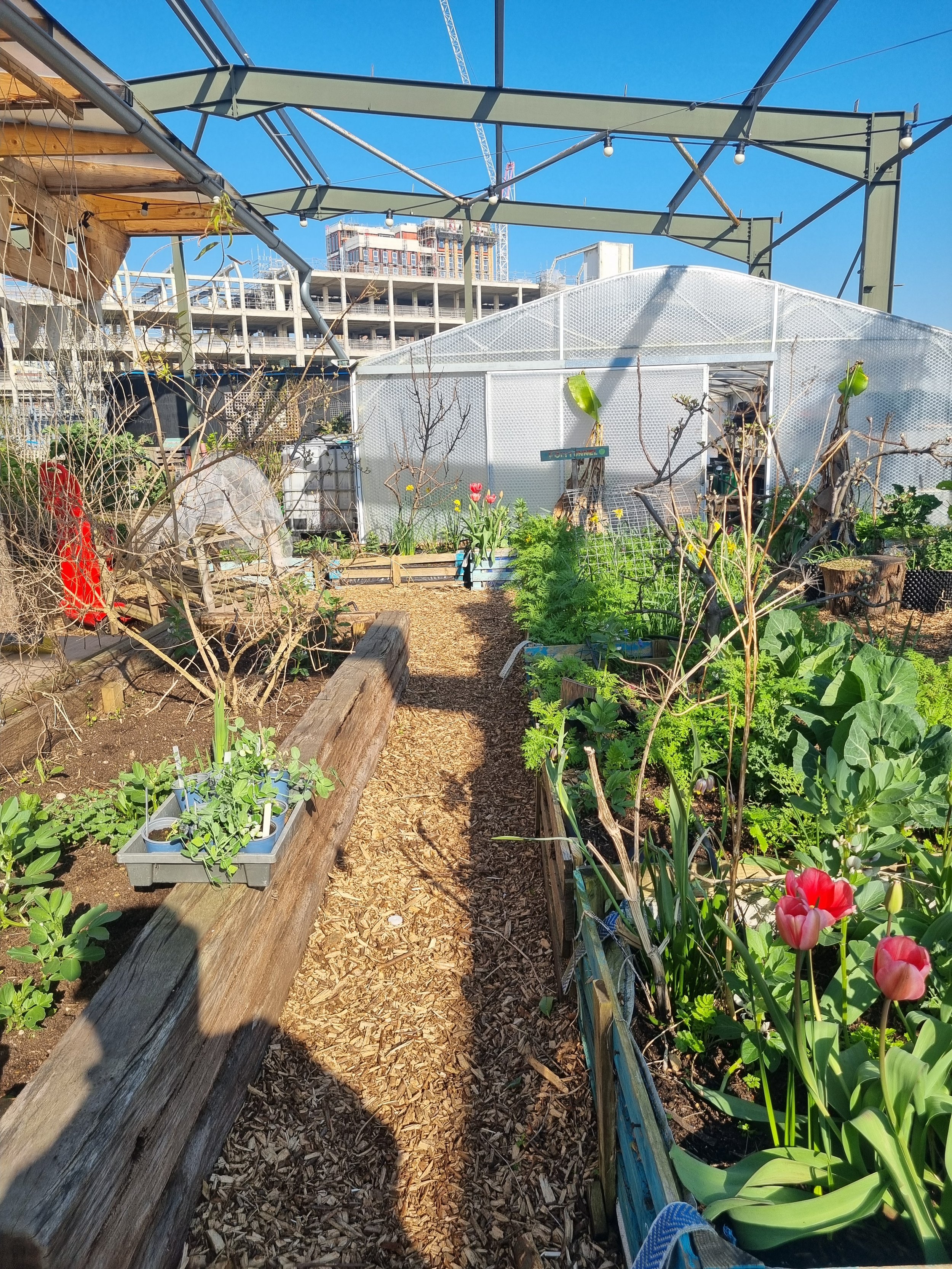
We talk a lot about depth in Global Generation. We talk about the depth of the soil - the way that our woodchip sits proud on top of concrete only a few inches below the surface; we talk about the depth of the roots of all of our olive trees; we talk about the depth of the pond and how the liner must be broken, for it never reaches beyond half a foot of water, and the snails can be seen in the summer in the equivalent of rock-pools, oases of plenty amidst the drought.
We also talk about the depth in our learning, perhaps prompted by all of our discussions around the garden, and the limited time we have in places. Our gardens have historically been meanwhile gardens, placeholders in the time between spaces. We exist now in the second version of the Paper Garden, and the second Story Garden. Before us there was the Skip Garden. All of our gardens, built over short lengths of time (well, for plants!), change, and with them so do we. If we don’t dig our heels in and really think about why we exist in these places, we blink and they are gone! Even our sessions with the young people, so long in the planning, appear and disappear like the hummocks of the sea. I now can see the young people I first started working with in early years graduate and wander around Surrey Quays, sullen and moody and loud and playful still. I hope that the work we have done with them remains.
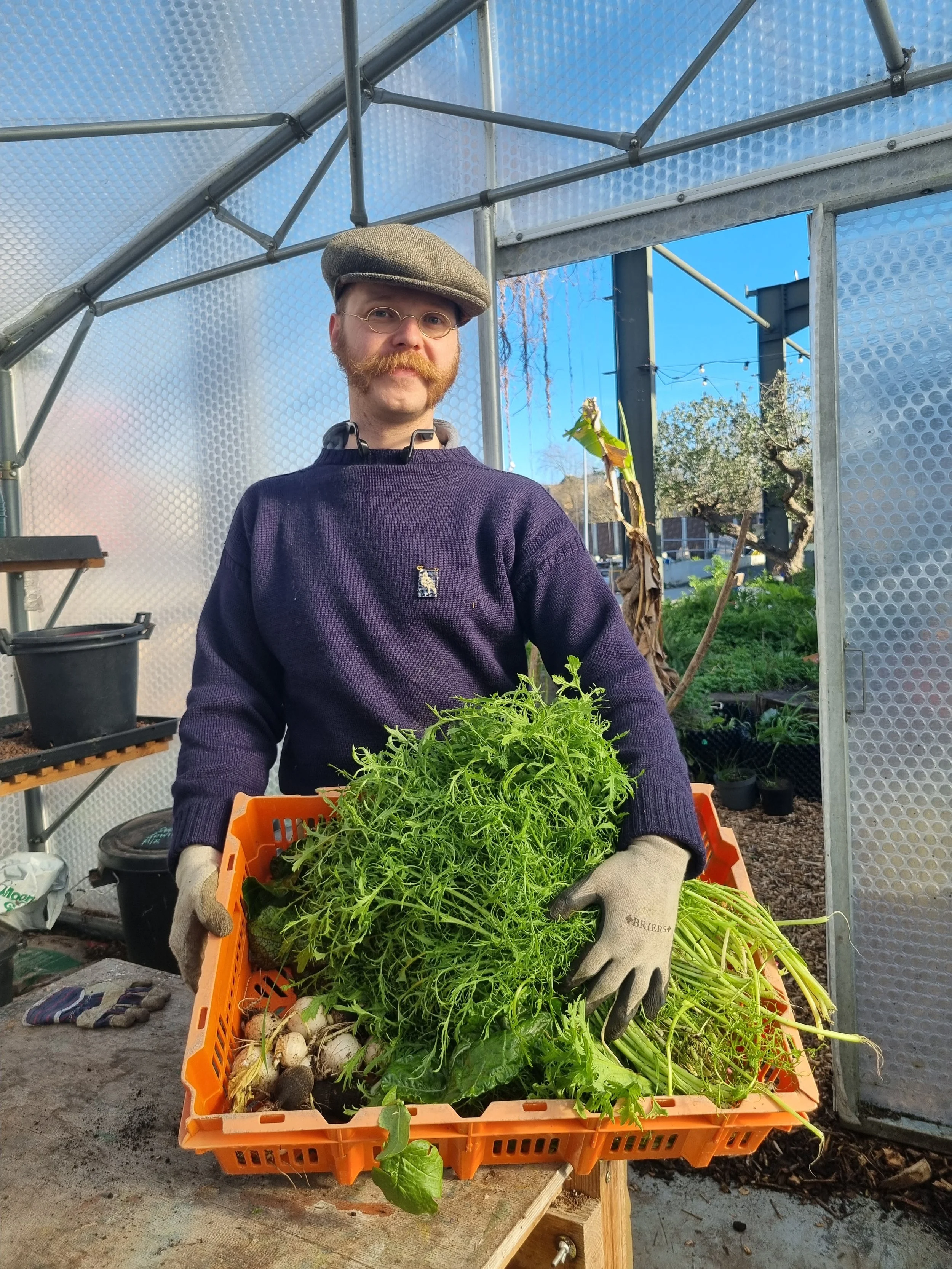
The core of our practice is deep learning. We sit in the winter and have big discussions. What should the theme be? Why are we learning about this? What relevance does it have to the lives of the people attending our programme? In the middle of this spreadsheeting and mind-mapping, we divide dahlia tubers, and learn how to store vegetables. The salads, the mustard frills, get picked, slowly growing as they stay relatively warm in the polytunnel. The other day, we sowed 60 sweet peas. Perhaps too many. January can be long, but there is always something to occupy yourself with. All the while we craft a story that can frame our year in the garden, give us something to work towards. When you work with two different classes a week, 60 children that visit once a year, then you need a solid framework, one that calls back to the previous year; you must imagine the way that the children are only here once, then back again, and they bring all their memories fresher than yours to the space. For them, their time in the garden is similar to the plants, similar to the perennials. They exist in deep time and so must we, crossing over the years and condensing them, making them into a coherent and familiar space, no matter how much we change too. We cover topics again and again, show them the same plants, how to interact with them. The plants become old friends, route-markers; sage, rosemary, mustard frills, nasturtiums.
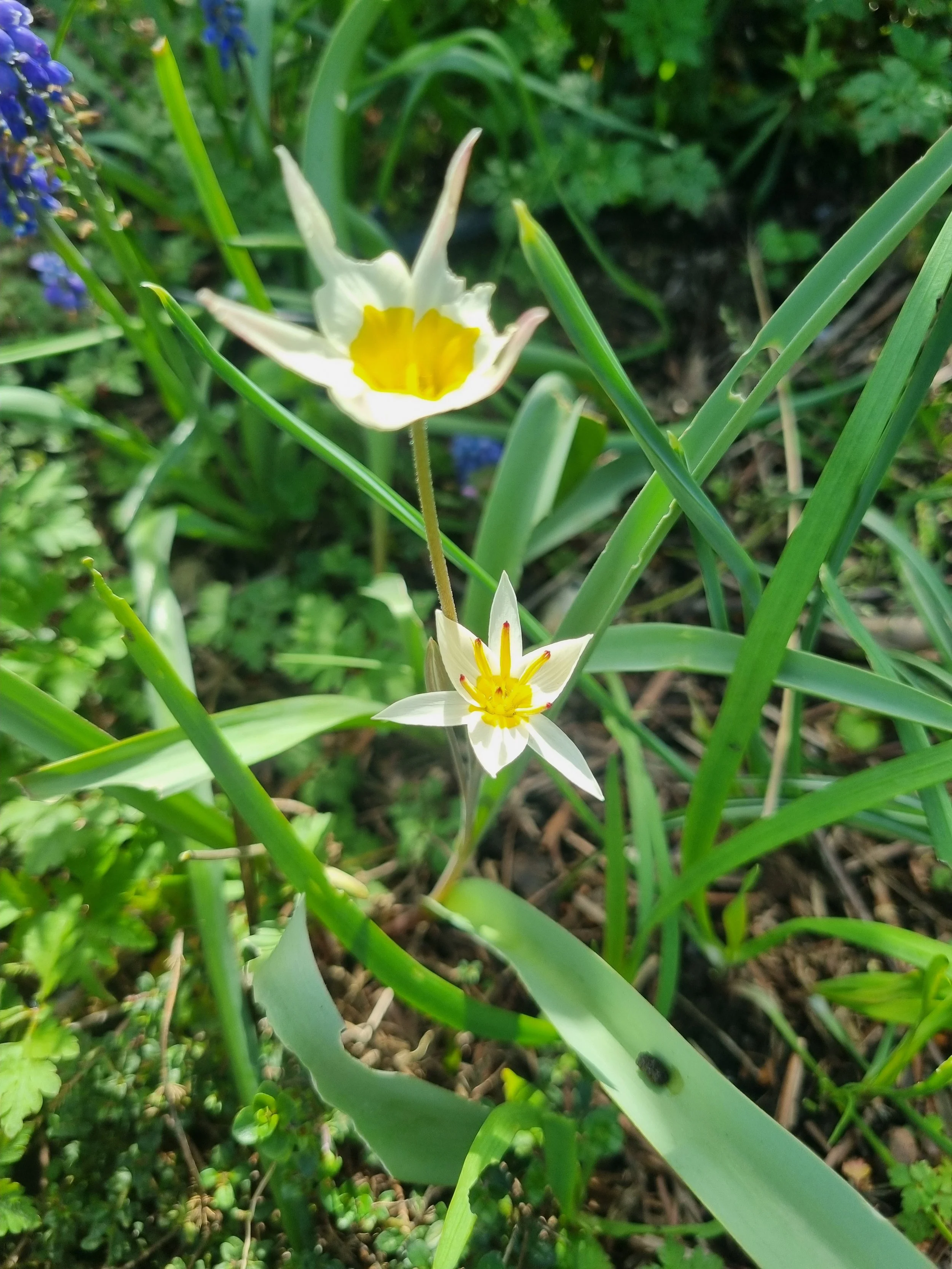
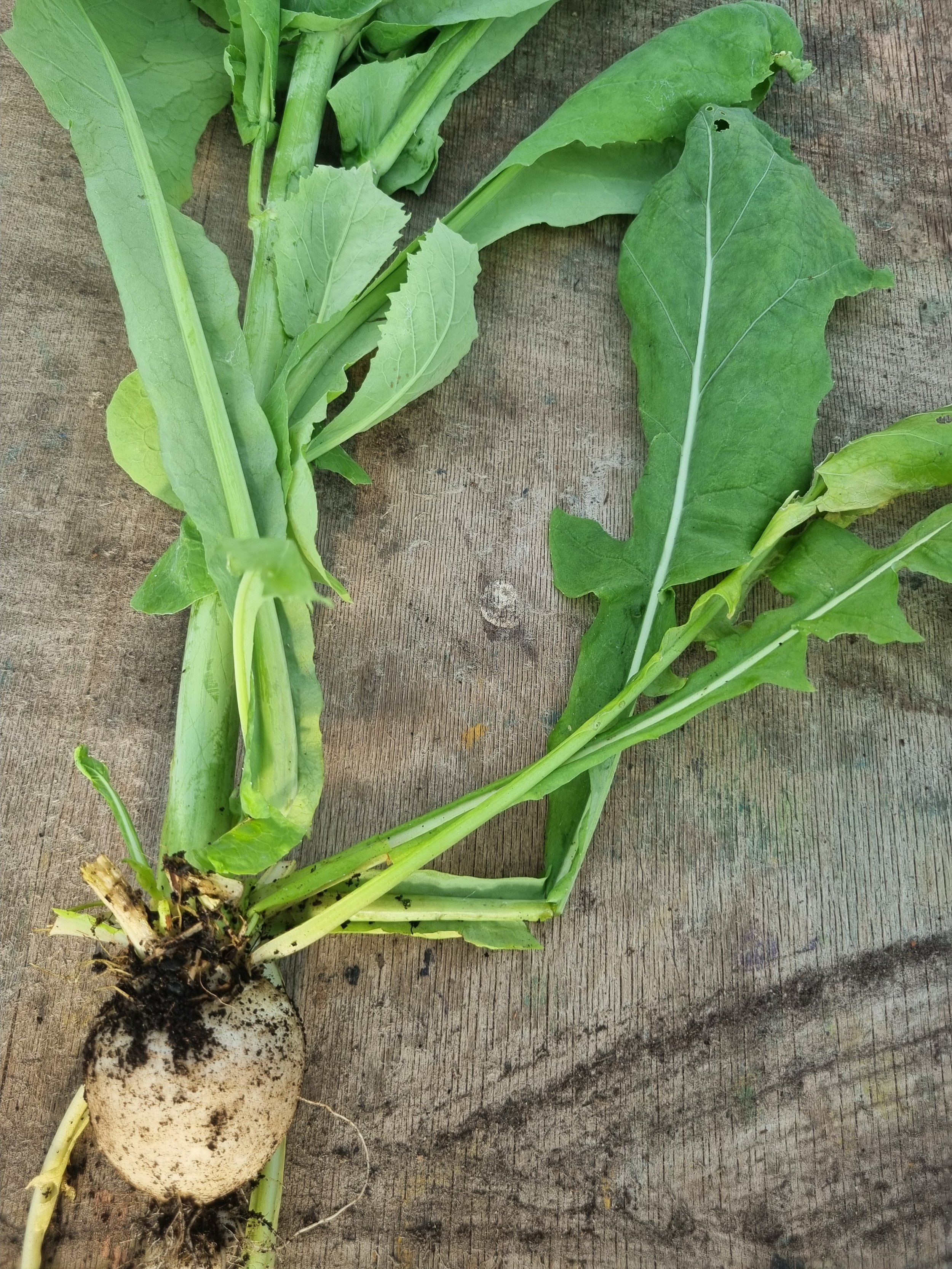
So this is deep learning, or part of it. It is an act of reaching back in time, and knitting it together with the present. It is about sitting still and thinking. What are our expectations? Each time an old class appears, they ask about the seeds they had sown the previous year, long since flowered and fruited. But it is still fresh in their mind, as if it were yesterday. We must reach back into our memories to become as they are - connected to the present moment, backed up by the folds and wrinkles and gestures of history. In this way, it doesn’t matter that our gardens are measured in years, because they will exist over and over, and will be linked to that deeper time. We will become part of that story we tell, of the concrete built over the docks, and the docks over the river Thames, of the Thames over the Roman settlements, of the Roman over the Iceni, and on and on… and somewhere between the cracks the dandelion will continue to grow, generations later, from the same seed that a child pressed to its face and blew on, scattering them to the wind, and consigning them to the future.
Notes from the Garden
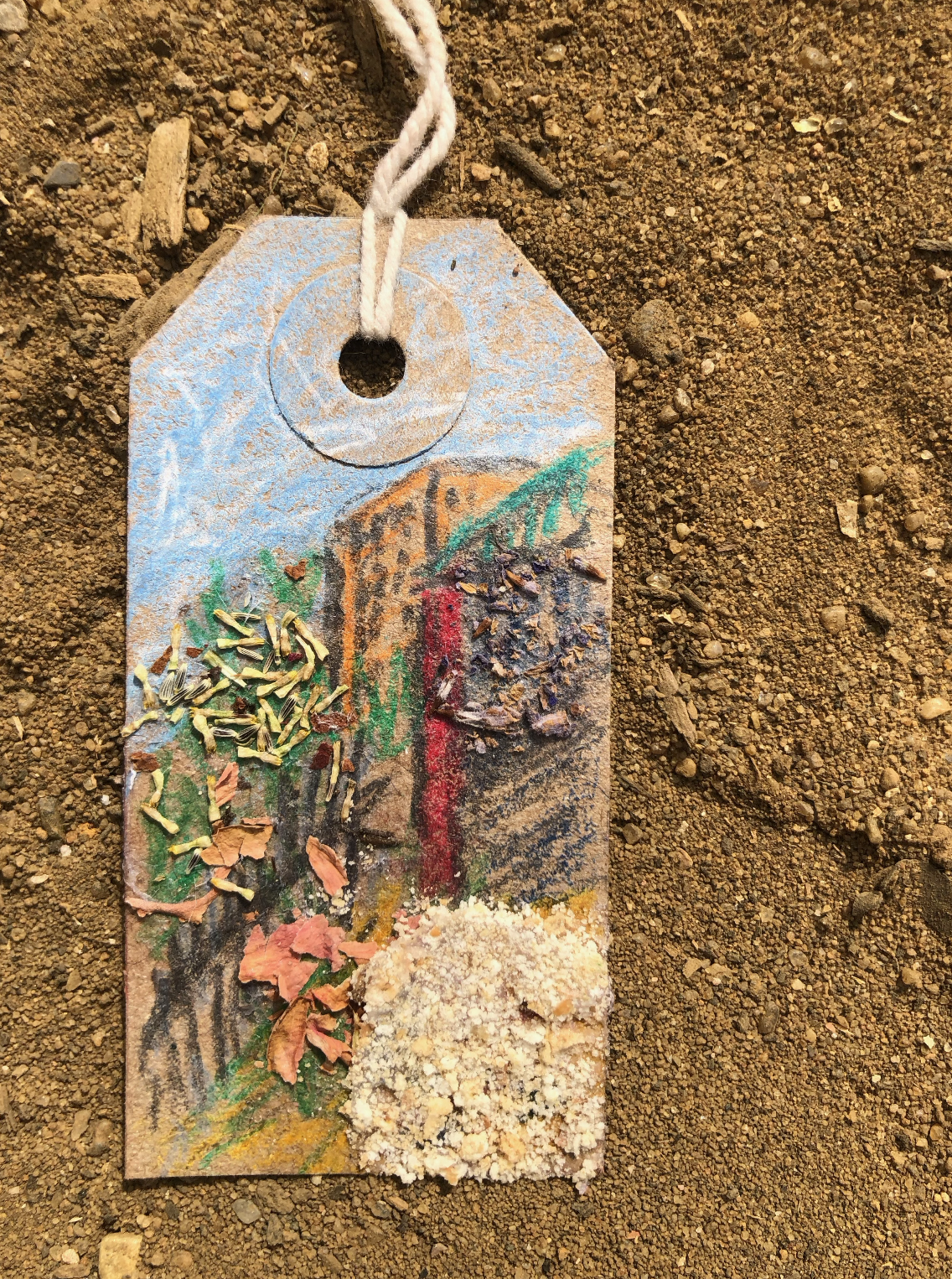
In this story, Linda goes back to December 2023 where school children from Edith Neville and Rewilding Children’s Imaginations funders , Pia Jones and Sarah Pimenta, took a deep dive into London lost rivers. A story about how a project from the past can still inform programmes in our new Story Garden.