Explicit vs Implicit
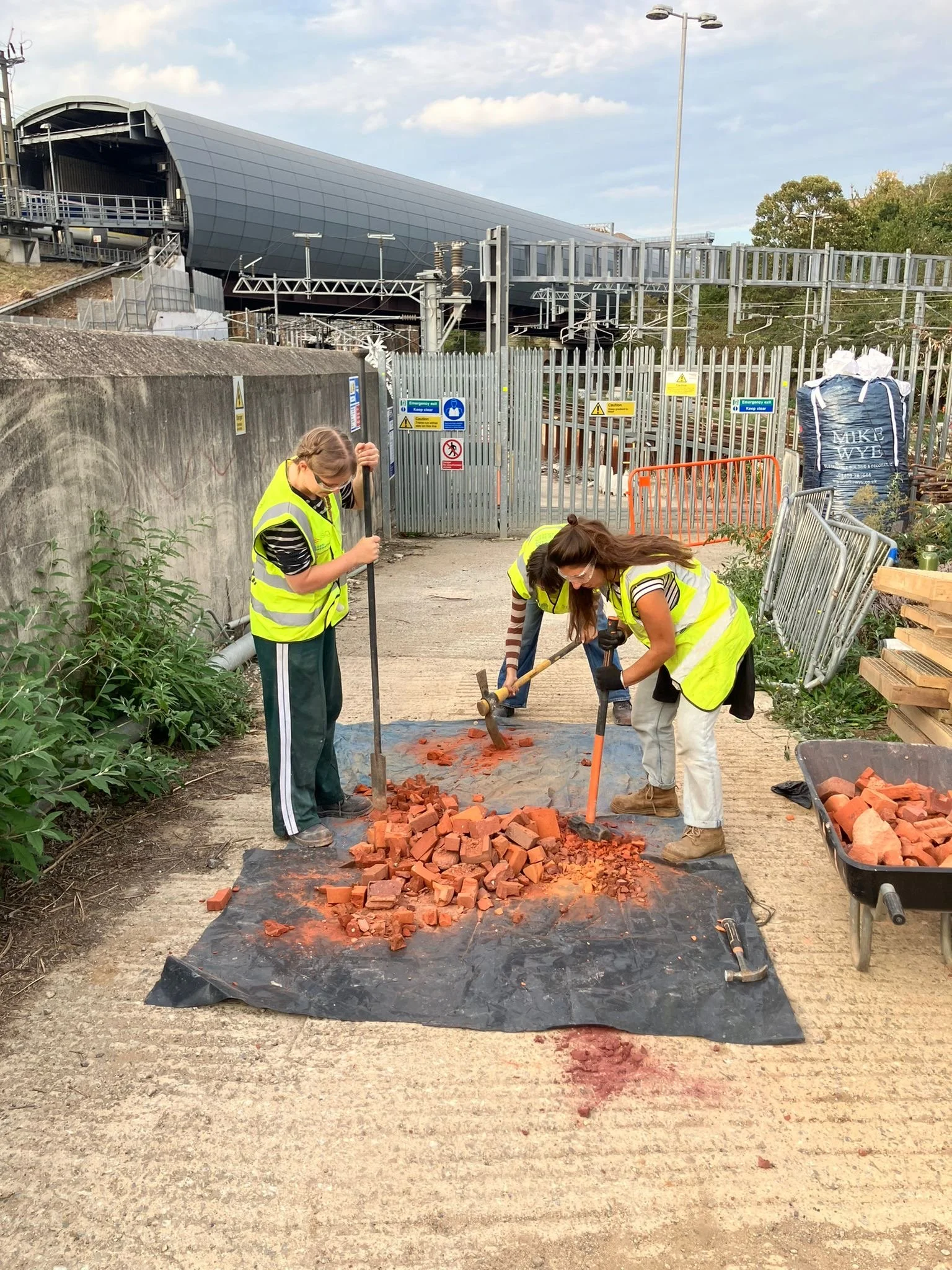
In our permaculture course, Asafo, a fellow student, explained how knowledge can be passed on explicitly or implicitly. He described explicit knowledge as the kind that’s told outright - like a strict set of rules or laws laid down by a single ‘right’ person, meant to be followed in a rigid and sometimes unquestionable way. In the context of permaculture, he pointed out how much of its rich history and cultural roots have been stripped away or overshadowed. Instead, it’s often presented as if it were founded by a handful of people held up in a godly light.
He then explained implicit knowledge as knowledge passed on heart-to-heart, absorbed through shared practice within a community. It’s about teaching through energy, spirit, relationships, and simply being together rather than following a fixed set of rules. He said this is how communities traditionally approached permaculture and how it should be shared today, rather than as a 12-step guide.
So to truly integrate these methods into sustainable ecosystems and broader community learning, we need implicit ways of relaying knowledge. This is exactly what it feels like to be taught as a trainee with the Global Generation team.
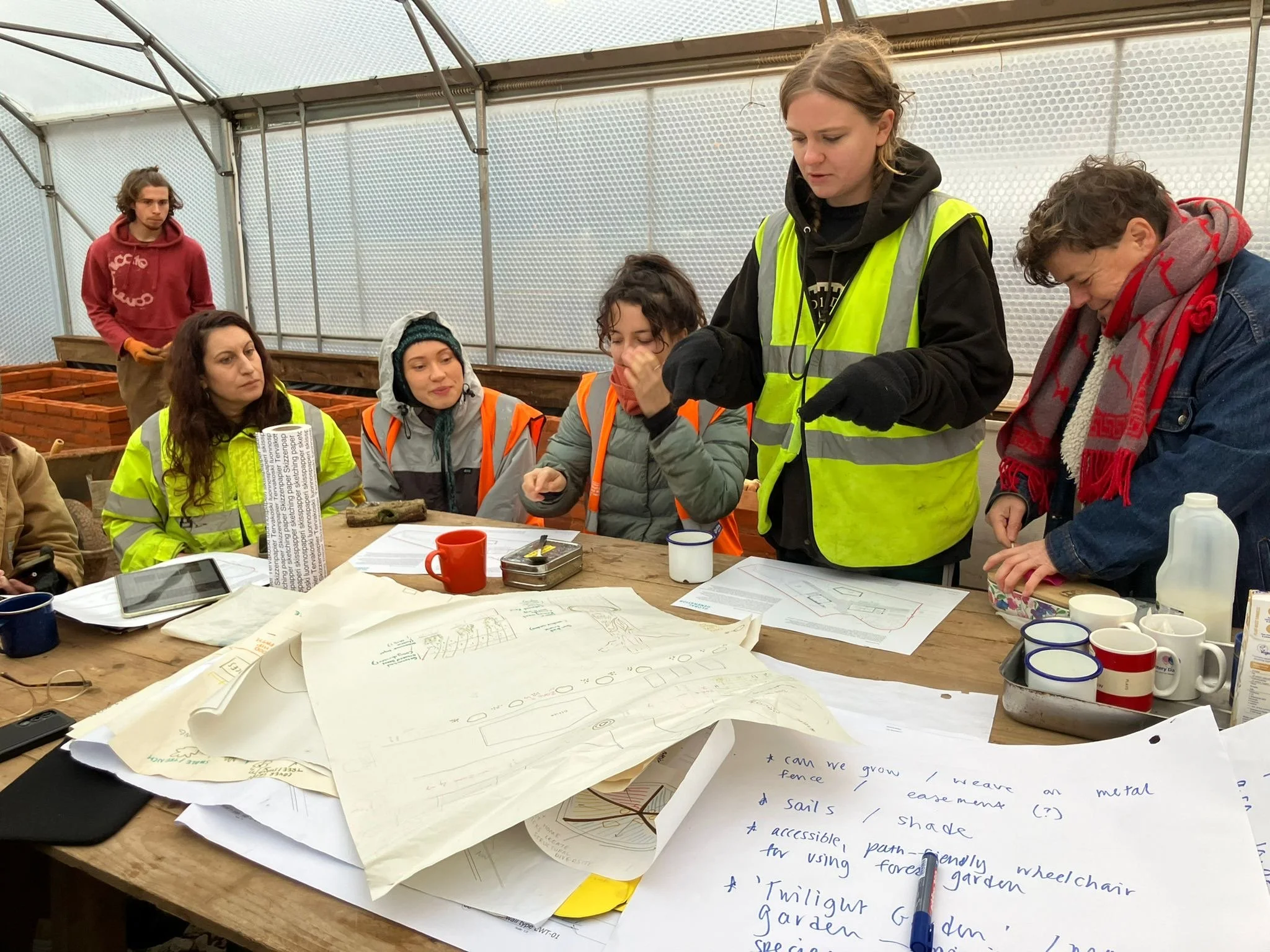
Things are learned through movement, through working as a collective. Work gets done without authoritative demands, laws, lists, or power structures, because people genuinely hold one another through teaching, supporting, and making space. It’s very implicit. And it means the knowledge I’ve soaked up feels like something I’ll actually carry for life.
Having Asafo’s explanation (and being part of the Global Generation community!) really opened my eyes to how community projects truly reach people. It’s the small implicit motions - the quiet involvement - that genuinely connects. Nothing loud or performative, it’s more like an unspoken care - a real community. This might have been obvious to others, but I never understood it this way before. But now, I’ve finally begun to see why projects like Global Generation exist and how it holds such caring and functional systems.
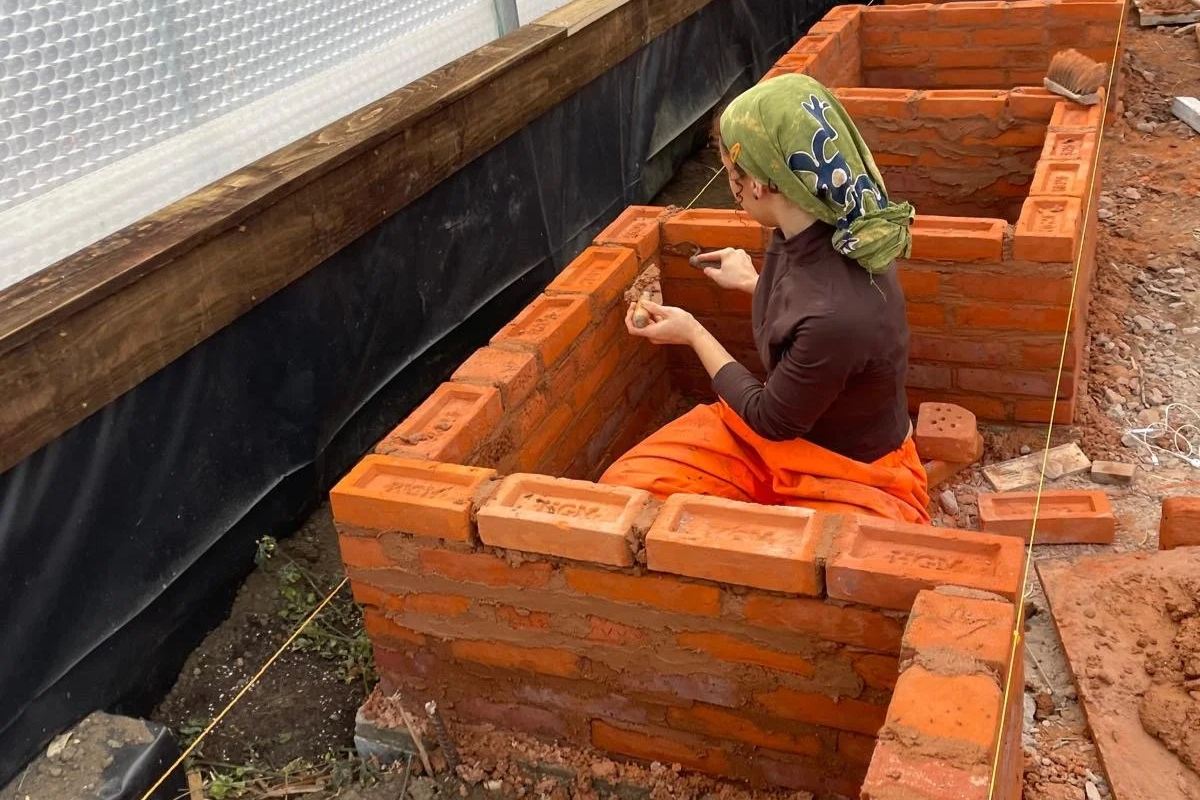
Around the same time we were building the plant beds in the polytunnel, a parallel showed up in the way we learned. How much of a skill is taught through precise measurements and perfect technique (explicit)? And how much is picked up through watching someone’s movement, rhythm, or energy (implicit)? When we were laying the cob floor in the classroom, we were smacking globs of cob onto the ground and levelling it with wooden tools. Famke started smoothing the cob with her hands. It looked informal, but it was clearly more effective and much smoother than the wooden tool that kept snagging. Later, when we were bricklaying in the polytunnel, I noticed myself doing something similar. While pointing the bricks, I started using my fingers in certain places - it just felt quicker and more intuitive than the metal pointing tool.
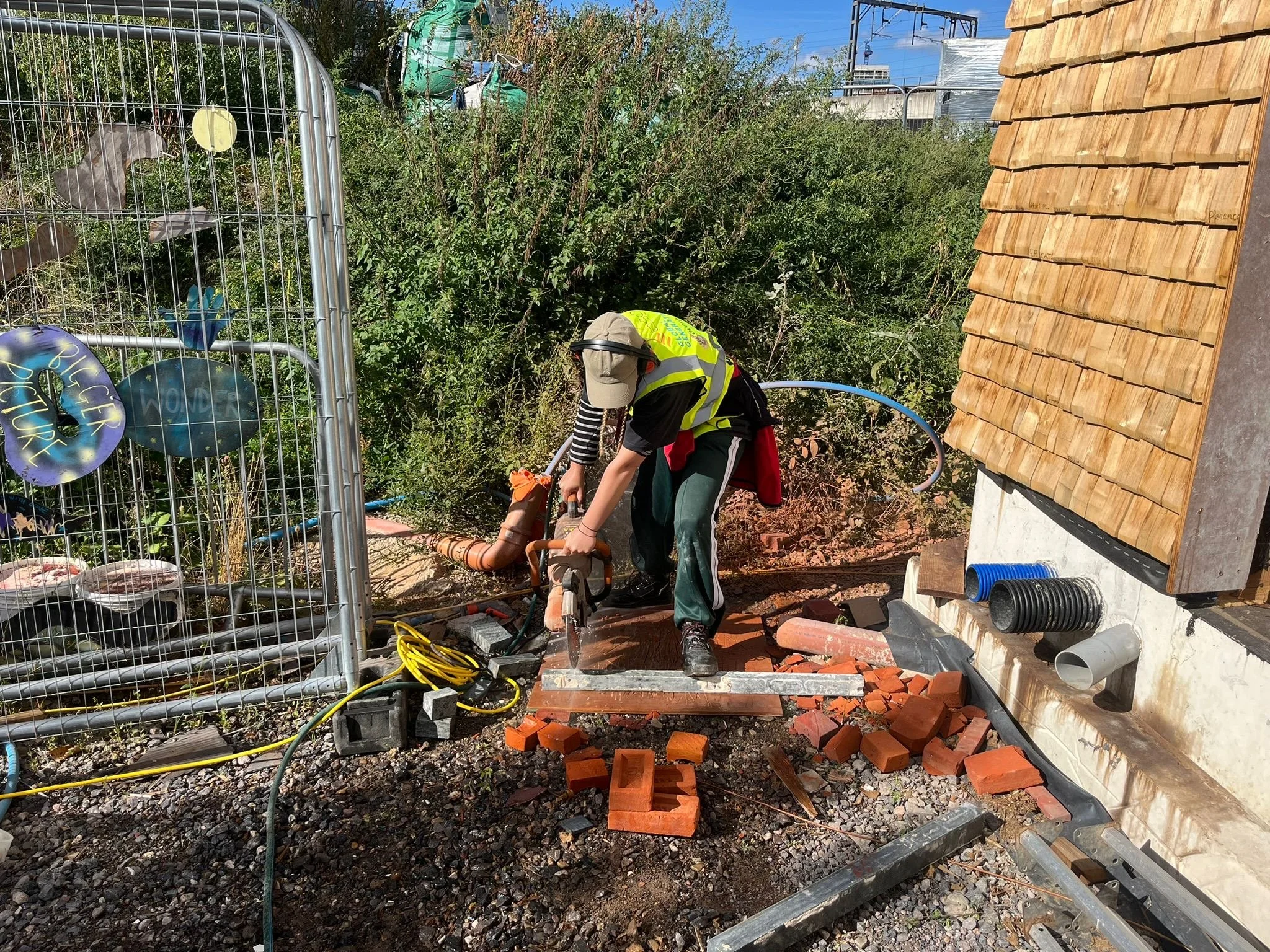
There’s definitely a balance.
Glen often says during tasks, “Breathe through it like it’s yoga.” And he’s right. With tasks that demand precision, the more you strain and tense yourself, the more things go off. Tension ruins the accuracy. You still need some precision, of course... but trusting your intuition creates a calmness that actually hits the nail on the head.
Notes from the Garden
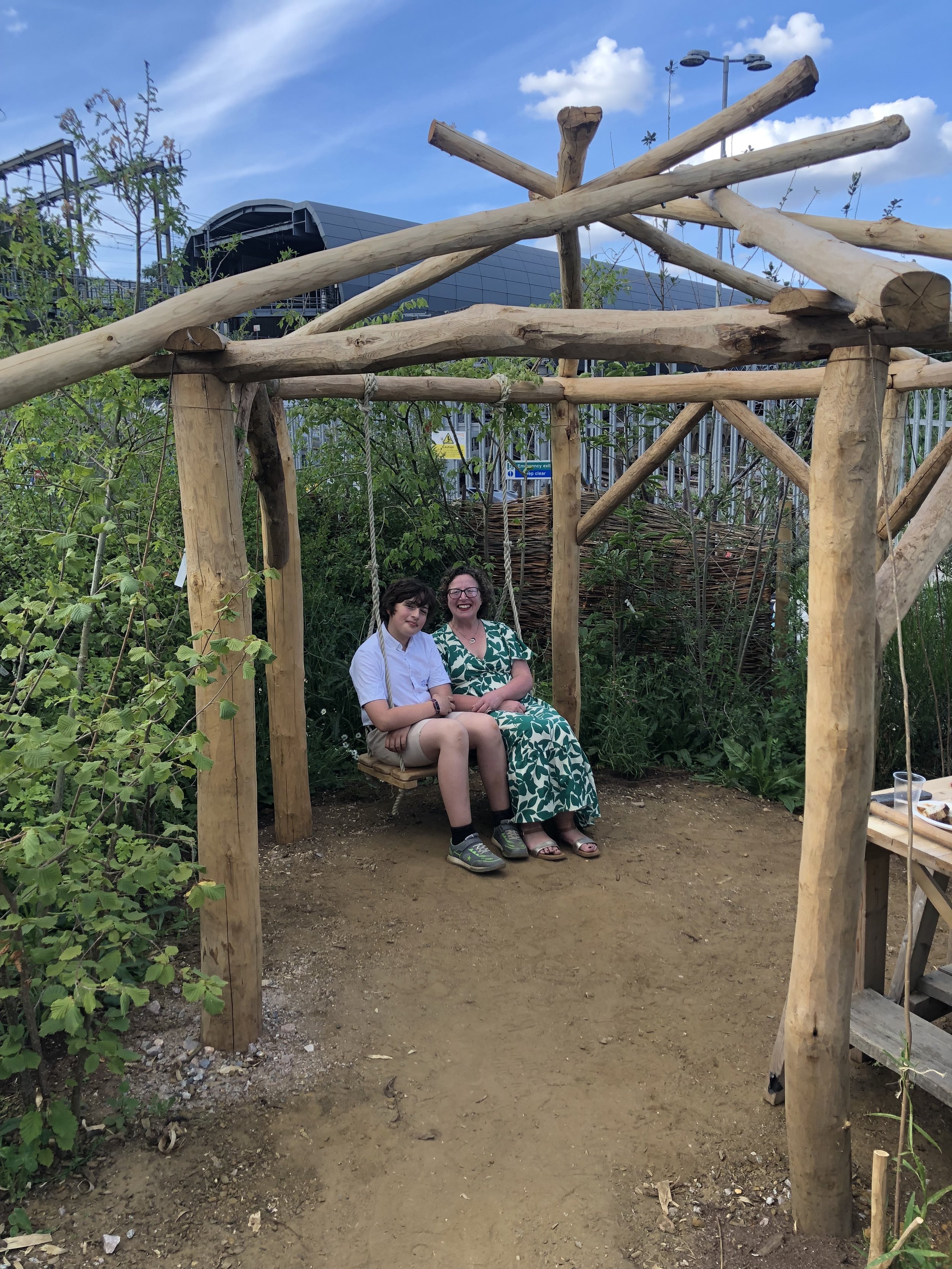
Carley Wootton, Story Garden Manager (maternity cover for Holly) writes about the move of the Story Garden in its new location (off York Way) and says that this process was a bit like making lunch: taking limited, rescued and unexpected ingredients and turning them into something new and worth sharing.