
How Bertha Earth Ambassadors informed my approach to facilitation
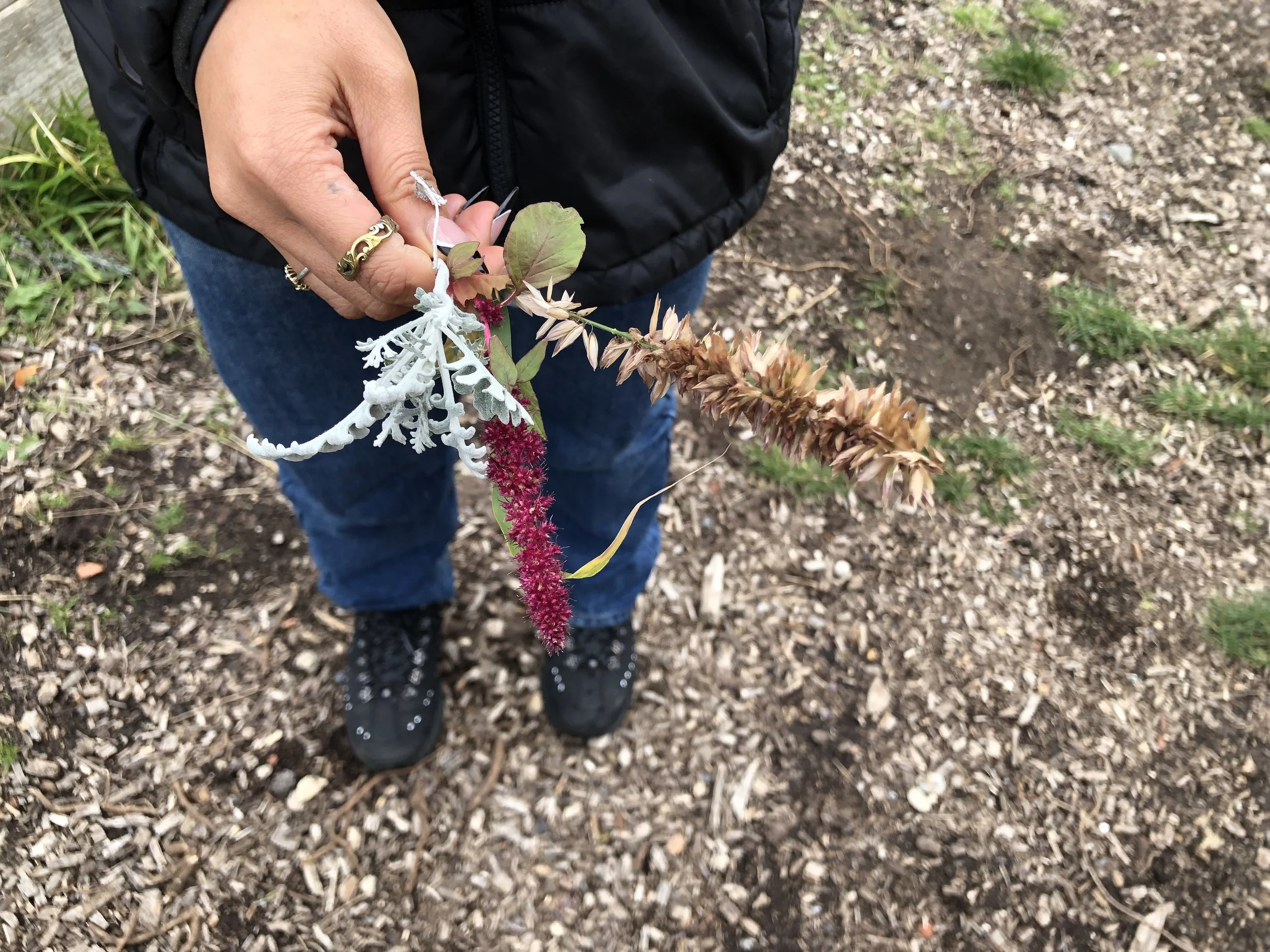
“Dear Paper Garden,
I want to thank you for this unique and breathtaking experience.
It felt like we were embracing nature, so we could understand it and it could understand us.
I am going back to school with more knowledge of the world around us than I came with.
I can't believe a place like this exists in Surrey Quays, surrounded by a building site.
It makes me feel hopeful for the future to know this exists.
I can’t describe how I feel, but again I’d like to thank you.
I hope we cross paths again”
Bertha Earth Ambassador, Nov 2025
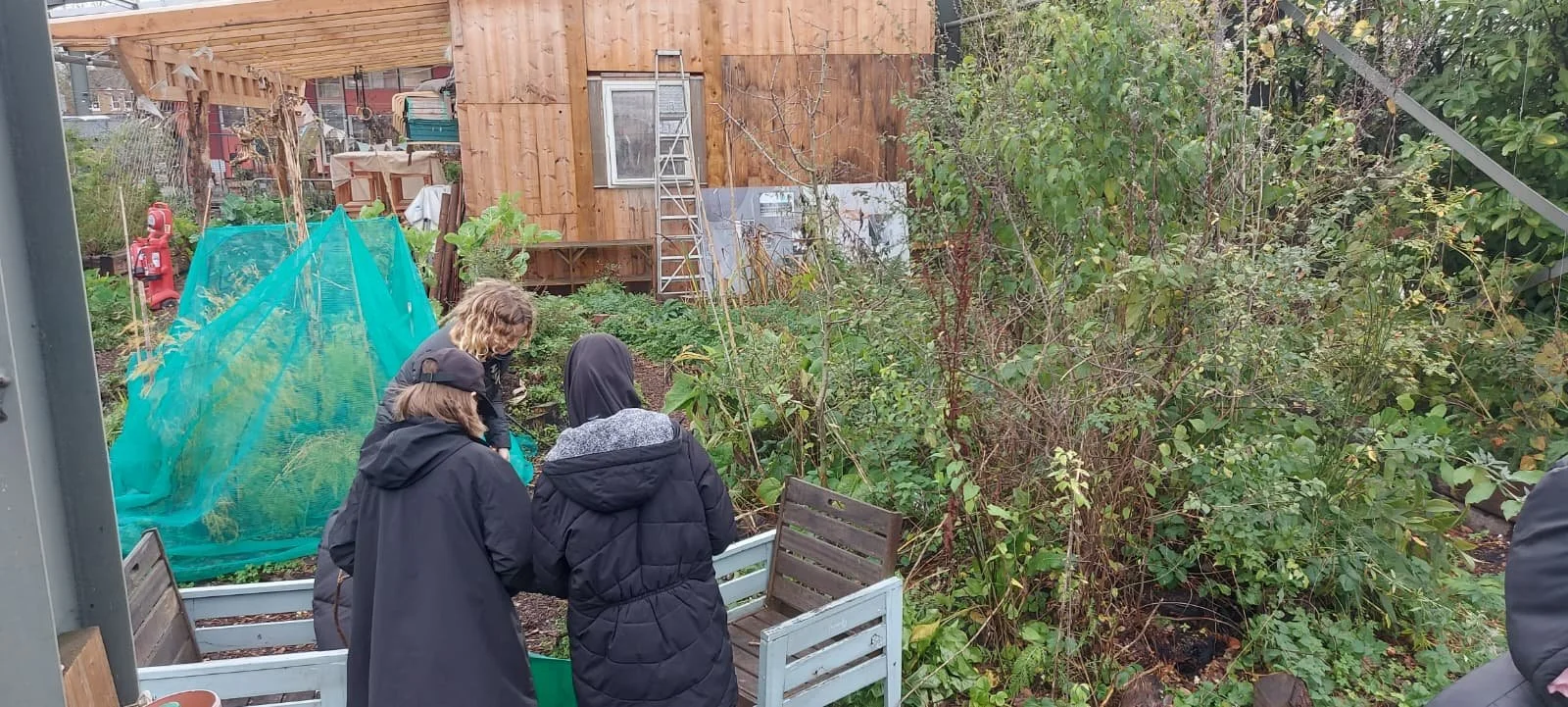
Working with young people is something I’ve recently both enjoyed and gotten into the flow. However, working with Bertha Earth Ambassadors was like adding a sprinkle of magic - it’s unpredictable, positively messy, and transformative. I’ve had the privilege of sharing my passion for the environment and sustainability with younger generation at a new location - the Paper Garden, and this has reignited a spark within me.
For context, Bertha Earth is a UK-based charity that helps young people become leaders who care for the planet, their communities, and themselves. Global Generation has been a long term partner providing nature connect days as part of the ambassadors journey. I’ve been part of the Bertha Earth days for three years, mostly based at the Story Garden until it closed in October 2025. It was definitely a learning curve, especially with the hundreds young people who came through its yellow gate. The Story Garden had always felt like home - from the moment it opened 2019 to the final farewell party. After 6 years, I became pretty comfortable navigating every corner of it.
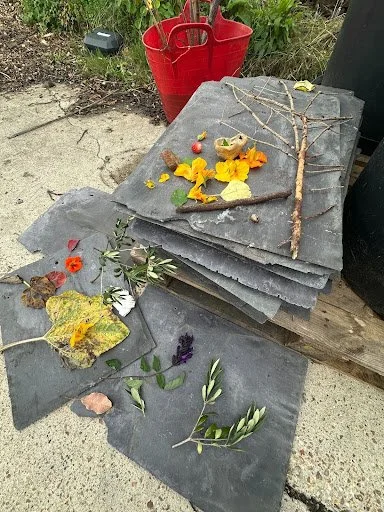
Last November, the nature connect days were based at the Paper Garden for the first time. As someone who was once a Generator myself and only recently began working with the Generators in Canada Water, I’ve grown used to seeing the same faces each week. It’s been insightful hearing them talk about their past projects - like the paper lanterns that hung around the back of the garden for three years, or the storage container where they keep all their watering cans and gardening gloves. Not to mention those two family animals we have: Legs and Patches (our chickens - who I’m slowly but surely getting comfortable enough to go into their pen). The Paper Garden has become a space I’m learning to call home - a place where I learn from the young people just as much as I support them, and where I’m finding new ways to express myself creatively with the resources and environment around me.
What happens when new people come to the Paper Garden for the first time? No Paper Garden staff have worked with Bertha Earth before, nor was the Story Garden team completely familiar with the area, I felt like the middle-woman where I had a balance of both. But even aside from the young people, I knew BE staff and school teachers would be asking me all sorts of questions about how things work in the Paper Garden. PANIC! People are gonna ask me why we’re called the Paper Garden, how the building was built, WHY ARE THE CHICKENS CALLED LEGS AND PATCHES?? All questions I know the answers to, but when given that level of “authority,” let’s say, all knowledge flies out the window and suddenly I don’t even know where the toilets are (it’s in front of our stationary shelves).
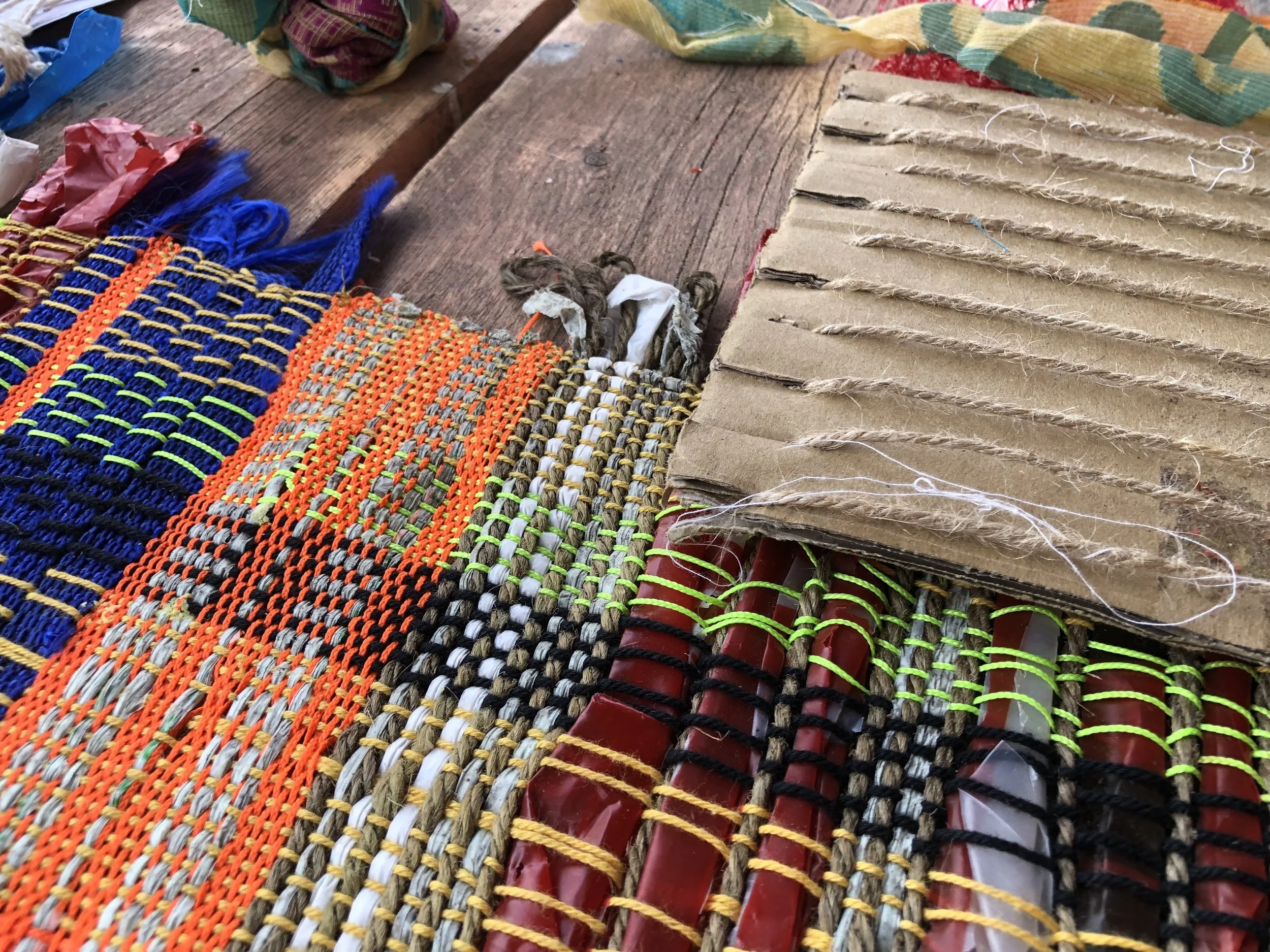
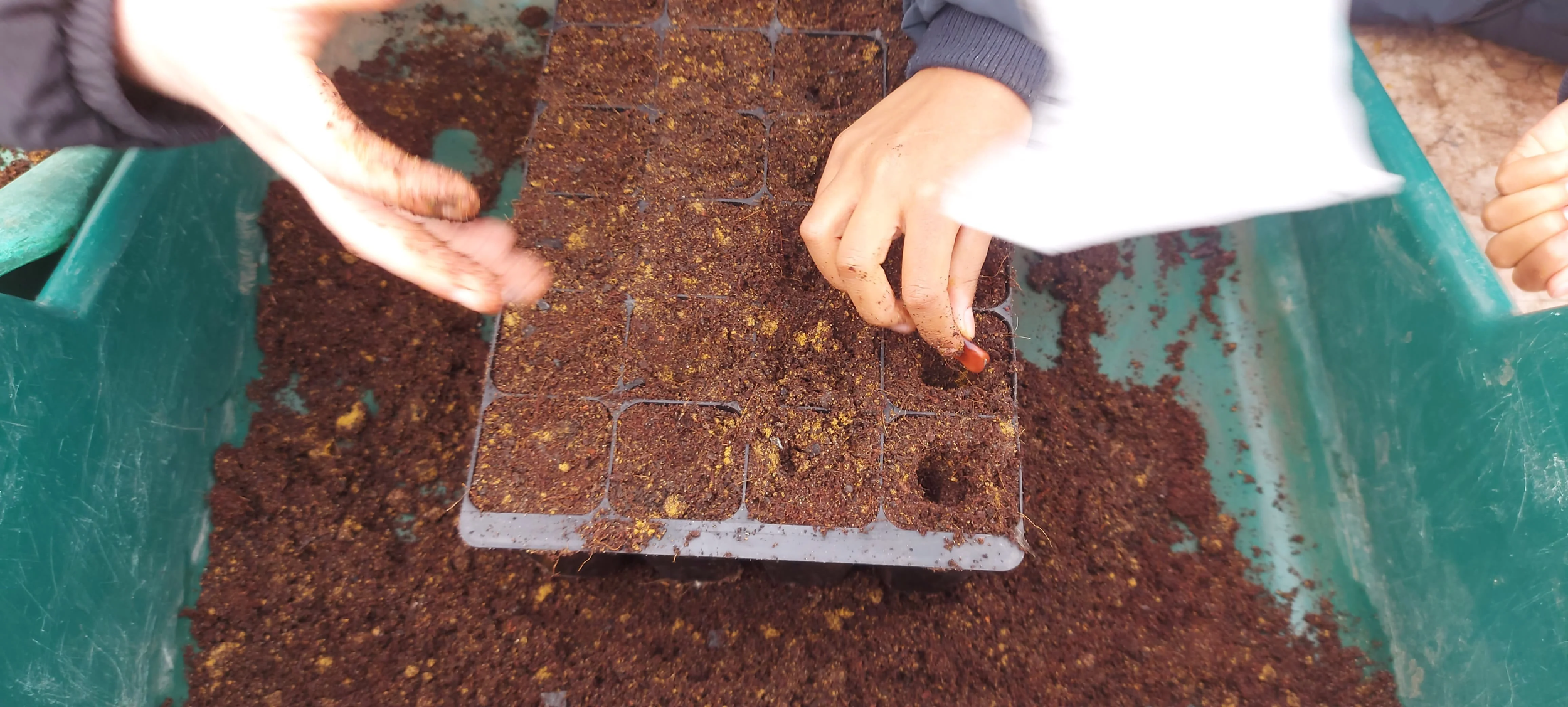
The day included introduction exercises, storytelling, weaving, gardening, cooking, and presentations. Around 30 students were welcomed into the garden. We began all together, taking time to connect with the space and with ourselves, before splitting into smaller groups for the different activities.
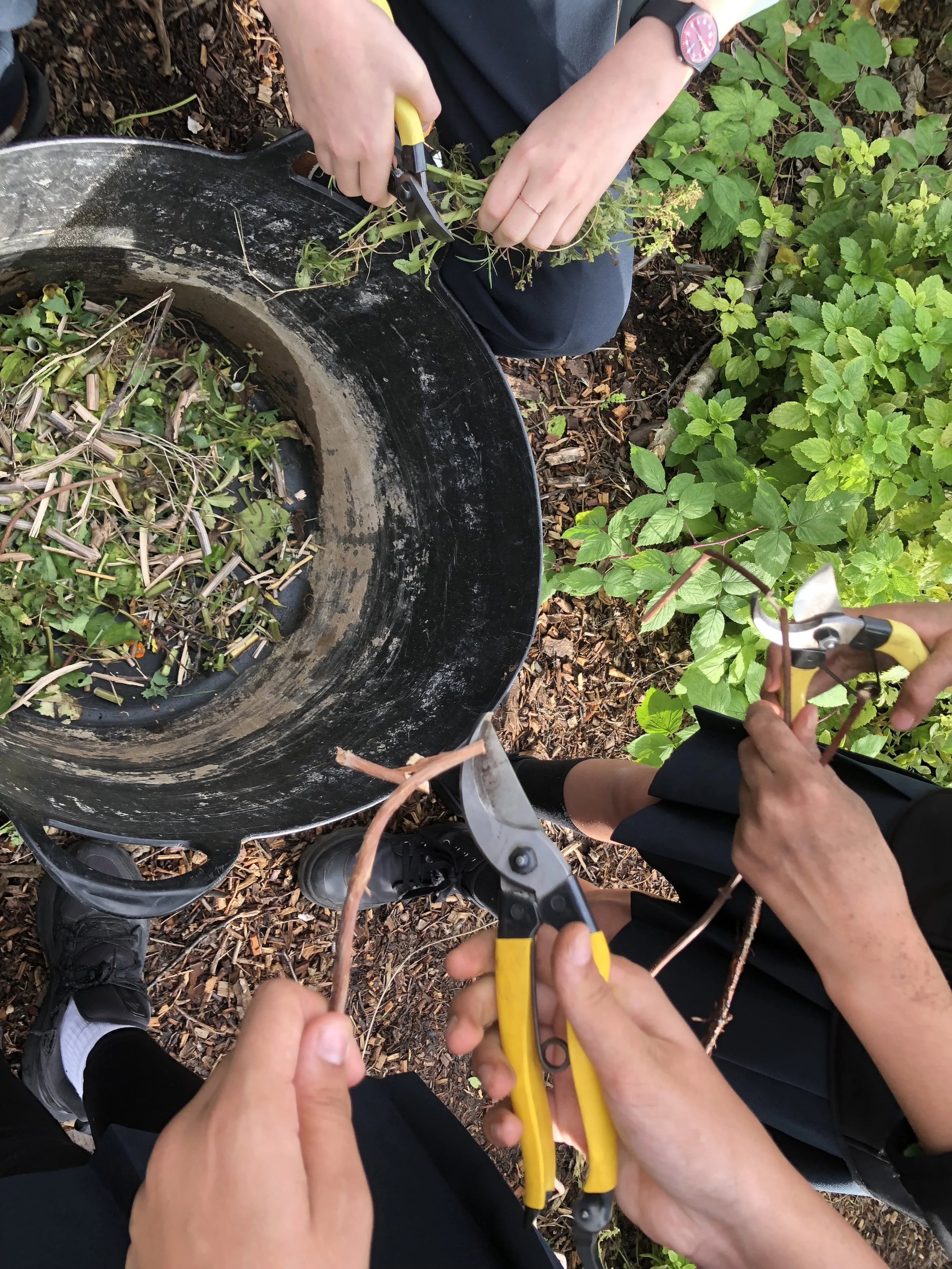
They’d spend the first part of the day learning and getting their hands stuck on activities before having lunch (prepared by the cooking team) and spend the second part of the day prepping for the creative presentations and eventually showcasing them.
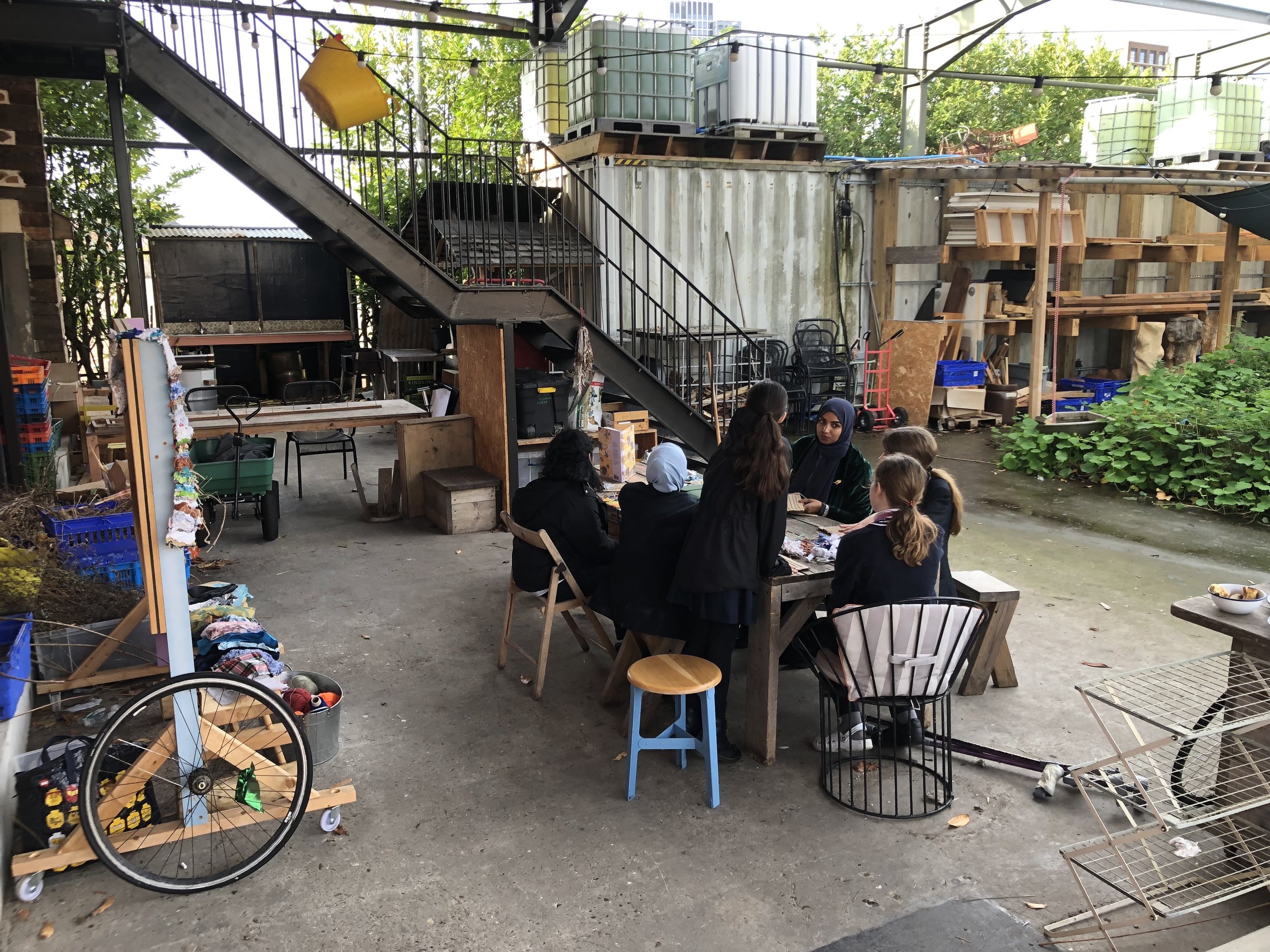
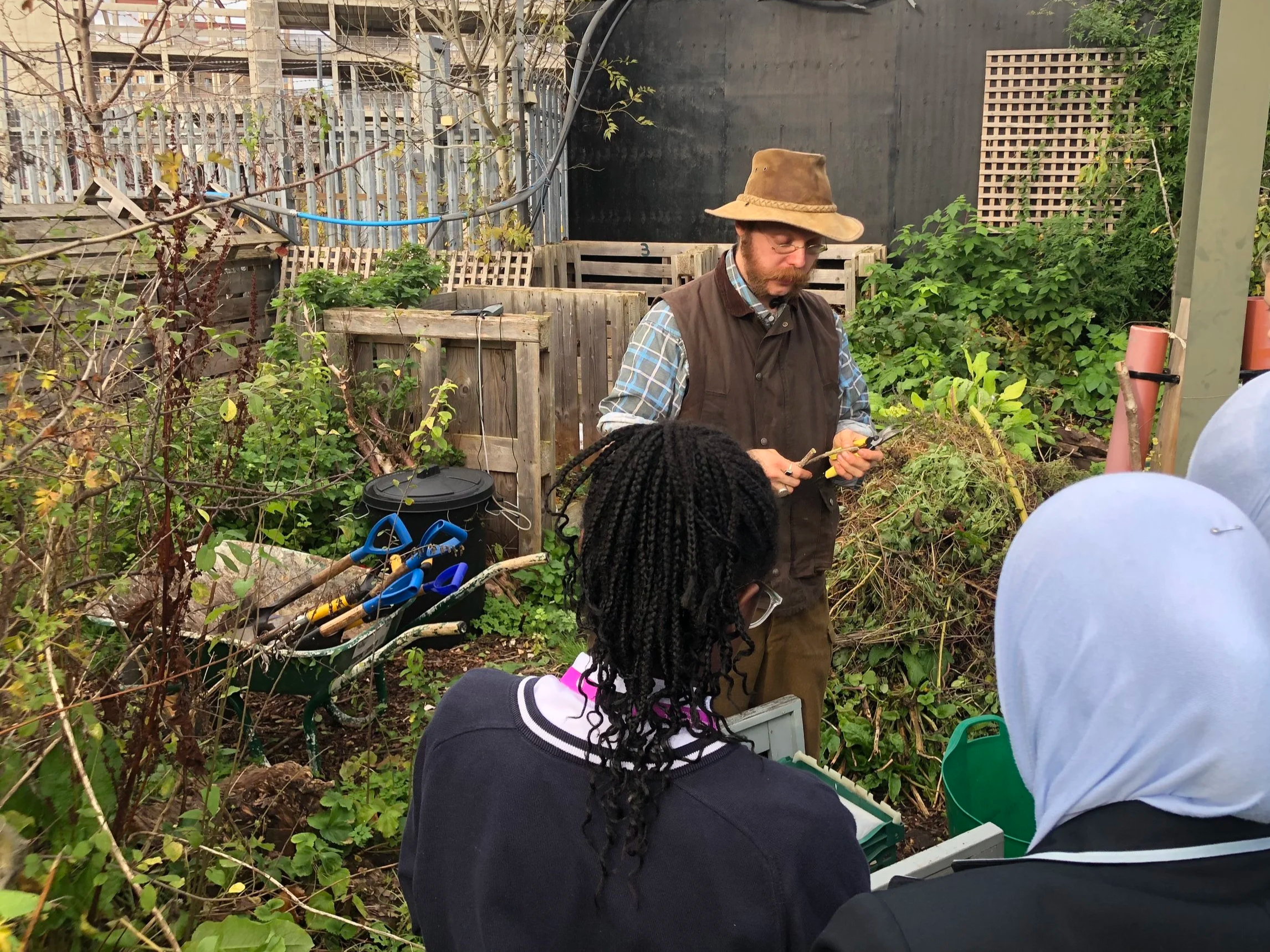
I think as once a younger person myself, I never really understood the amount of effort and planning that comes with being a facilitator. I thought you’d come and get creative, write a journal prompt, and call it a day. And so when you see the reality of it all, I felt this (positive) pressure to uphold and truly inspire our young people the same way I was. I caught myself seeking validation from our young people, even if it’s getting a tiny smile whenever I’d crack a cringey joke, just so they felt comfortable enough to come out of their comfort zone with our workshop.
At the end of each Bertha Earth day, each workshop group presents their activity to the other groups, and as my team was cooking, I made sure to support them in the understanding how to not only cook and bake, but also the importance of shopping ingredients sustainably, and how composting works - all ways we can be sustainable in our day to day lives, which don’t have to be complicated. I caught myself panicking when I realised I didn’t have enough time to practice with my group and half of them didn’t know what to say. Perhaps as a form of projection, I was worried and imagined they’d be in front of many individuals awkwardly standing not saying anything, and eventually be embarrassed and get completely put off from any form of public speaking (something I had experienced and was definitely trying to protect them from).
I was talking to my line manager on a reflection of this recently, and they said two things that really helped switch my mindset from that:
Firstly, I cannot protect the young people from embarrassment, shame, awkwardness or anything of that sort. In life, it’s bound to happen. However, what I can control is how I can help them work through those emotions, and so when it does happen in the future, they have a better way of coping with that. And in the presentation scenario, it’d be jumping in and supporting them simply by asking them questions panel-style.
Secondly, sometimes as facilitators we place this expectation that if our young people don’t openly express their learnings, or things they resonated with, or even an ounce of gratitude, we immediately think we failed. Revisiting the presentation scenario, facilitators had been briefed in advance to guide and support the BE ambassadors, ensuring they were ready to present, but when you also have around 11 adults (facilitators and teachers) watching your presentation, you feel like you underdelivered… or to keep it straightforward, you feel you’re not doing your job.
Having reflected on both those things, it taught me something valuable about these Bertha Earth sessions. And it’s how awesome those young people are.
I’ve done all the activity workshops like gardening, cooking, weaving, at some point in my life, but the way the BE Ambassadors got stuck into it, and engaged, despite the weather, temperature, and long journey… They had passion and genuine interest in what we did and our core values, which made me feel proud of our team. But also, I knew that through this, we were healing our planet. And every year, while the world is worried about the climate crisis, I am given a profound level of hope that scientists cannot find in a statistical experiment.
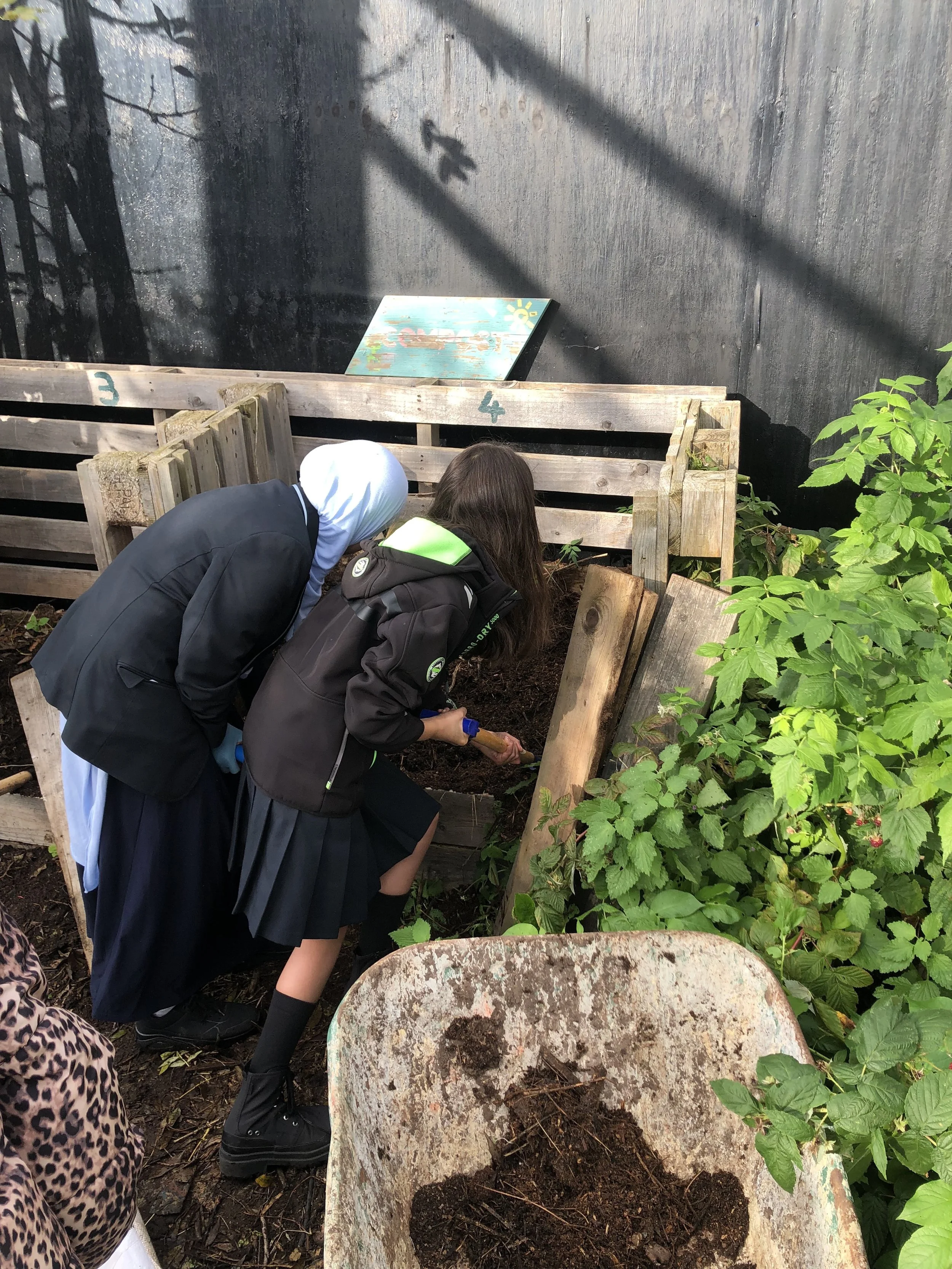
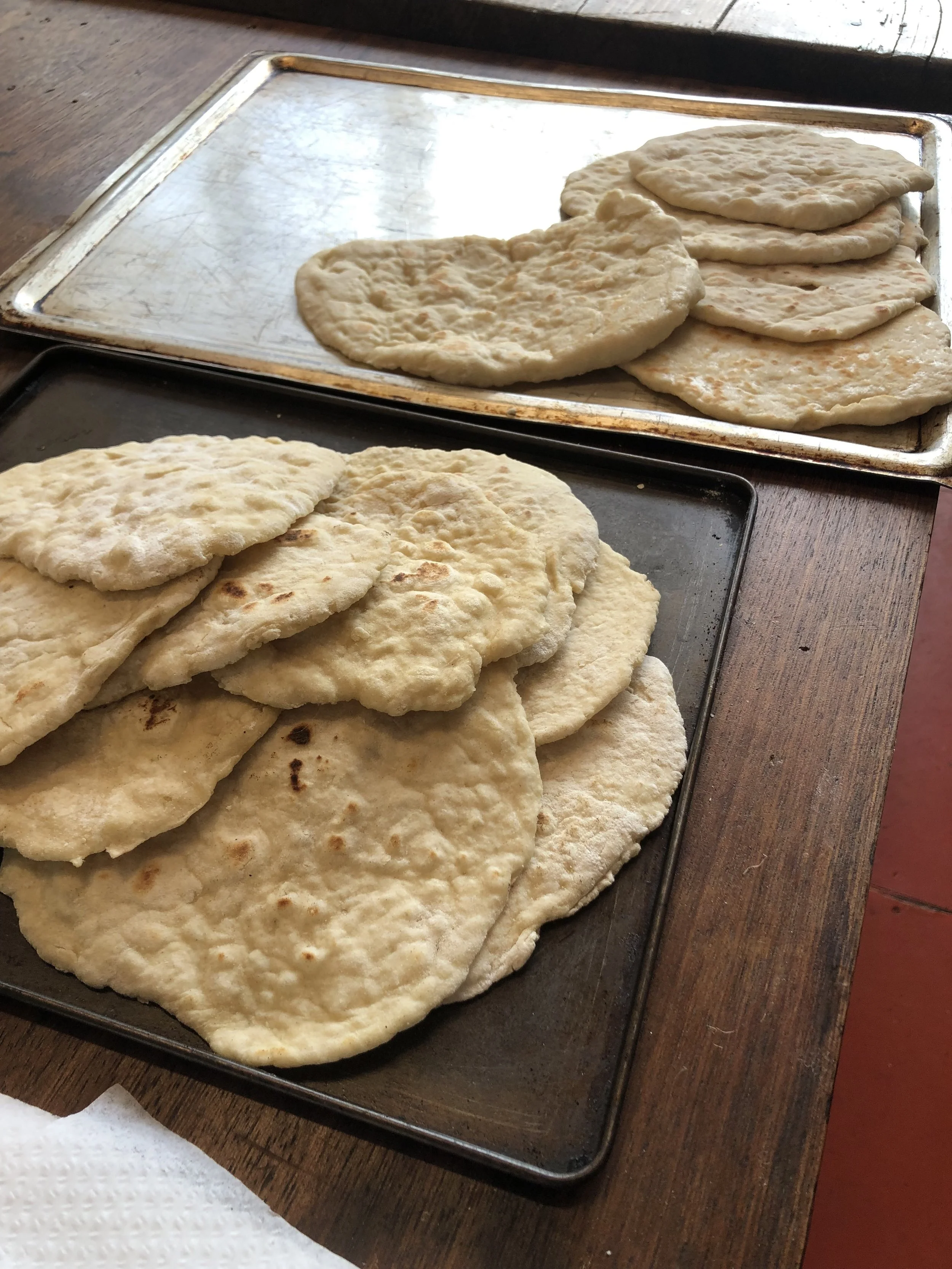
Even the opportunities we give our young people to do things they would not be able to do. For example, the first group of ambassadors who were cooking with me, weren’t allowed to cook or bake in their homes as their parents thought it created a big mess, and the only time they cooked was during food tech in school. But even then, they cooked meals which they didn’t find interesting and were taught in a “boring” way (their words, not mine). Which was interesting, compared to the second group of ambassador in charge of preparing a meal, as they cooked often at home and, becasue of that, they loved cooking.
Two different experiences our young people had despite being the same age.
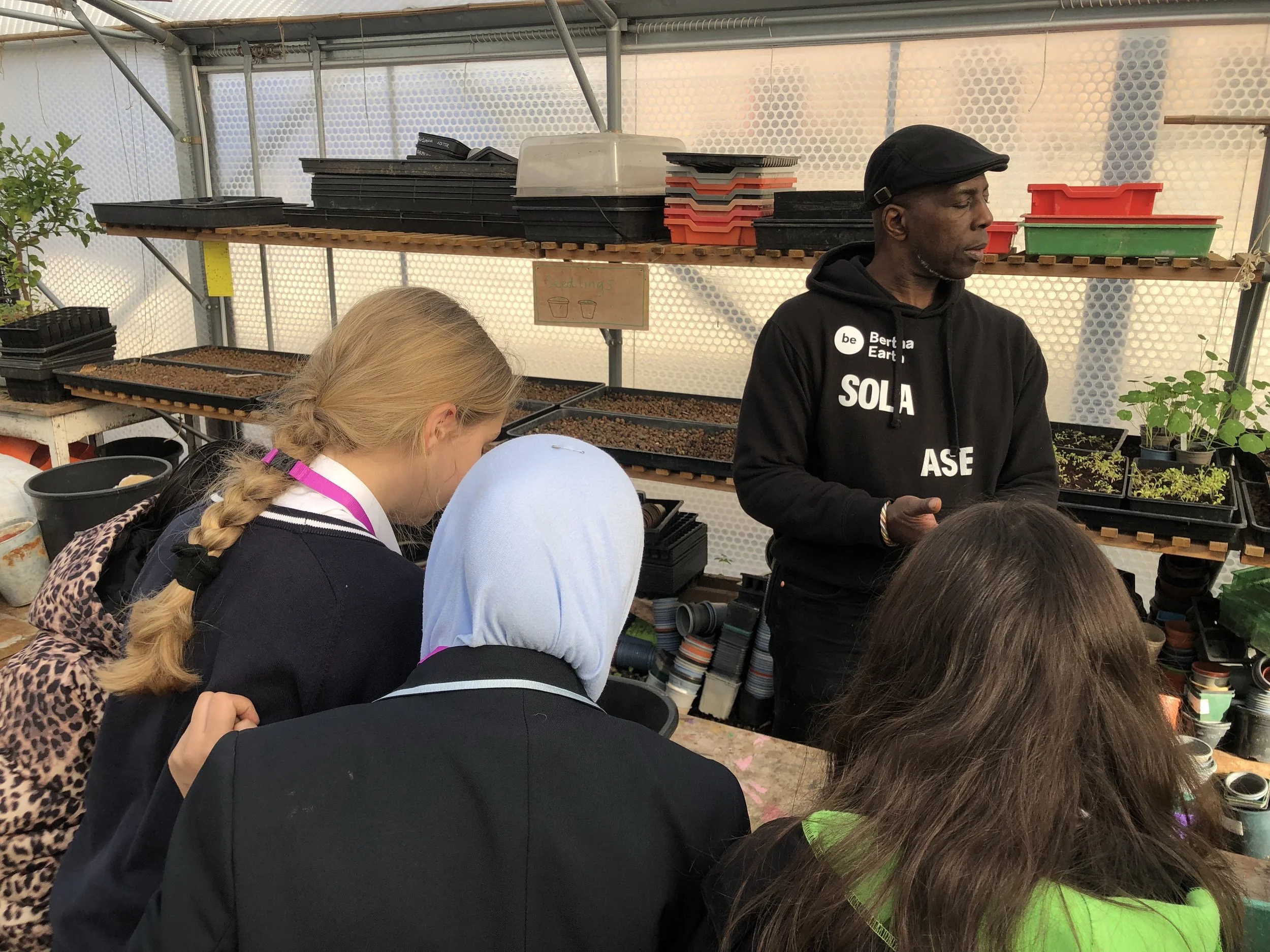
Working with young people is a reminder that learning is a lifelong process, and it’s incredibly important what we do at Global Generation and other organisations like Bertha Earth that really focus on empowering young people, because sometimes, it’s them who teach us the most. Their curiosity is contagious, and it’s inspired me to approach challenges with fresh eyes and helped reflect on things about myself which I hadn’t experienced before.
It’s truly rewarding seeing the ambassadors grasp the concept of reducing waste and caring for the environment. This new Bertha Earth’s chapter has been a breath of fresh air, and I’m grateful for the opportunity to make a difference in these young lives.
It’s a reminder that sometimes, the most rewarding work is the work that starts with a little seed.
Notes from the Garden
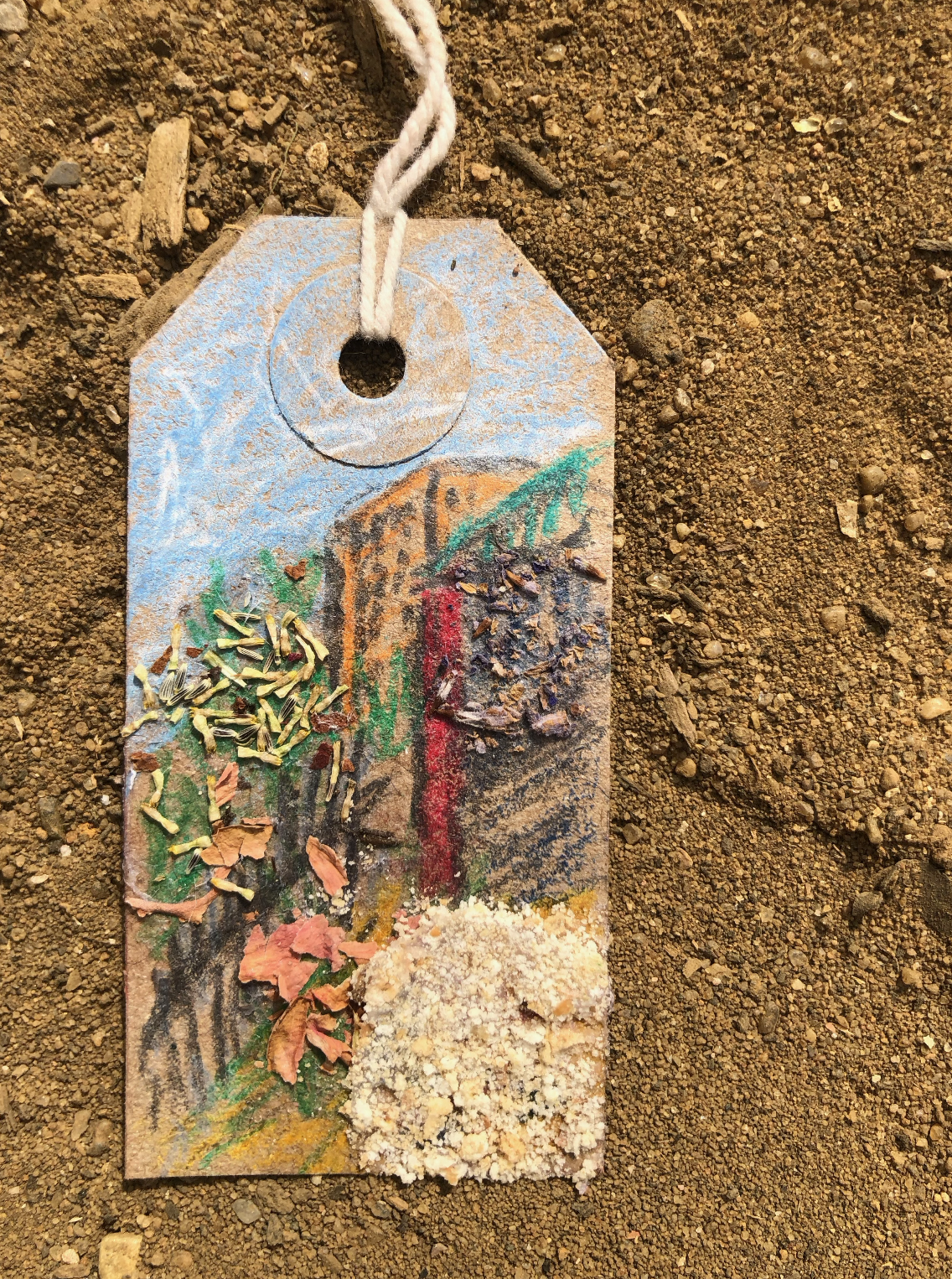
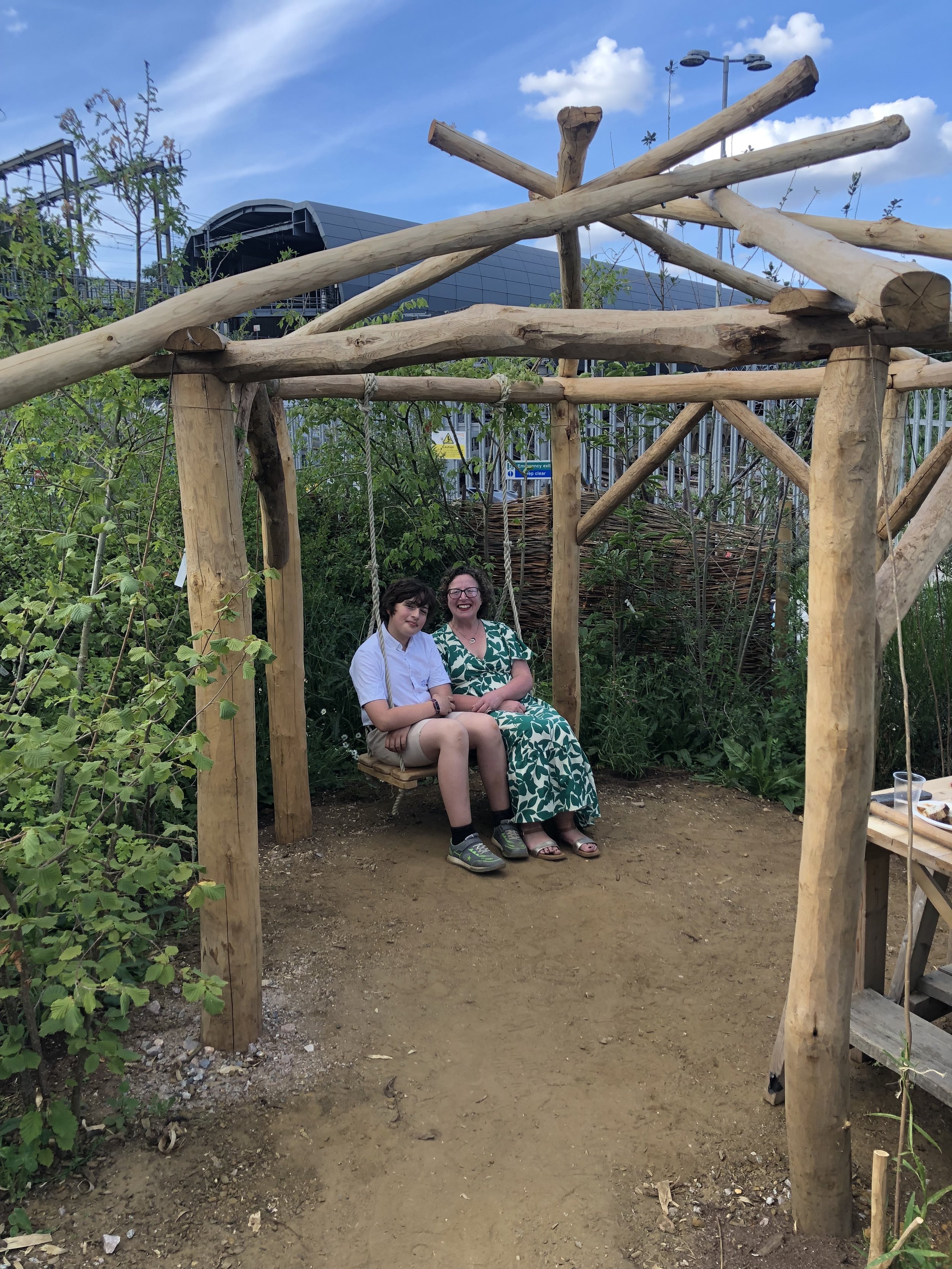
Carley Wootton, Story Garden Manager (maternity cover for Holly) writes about the move of the Story Garden in its new location (off York Way) and says that this process was a bit like making lunch: taking limited, rescued and unexpected ingredients and turning them into something new and worth sharing.