
Reflecting on waste and Circular Economies
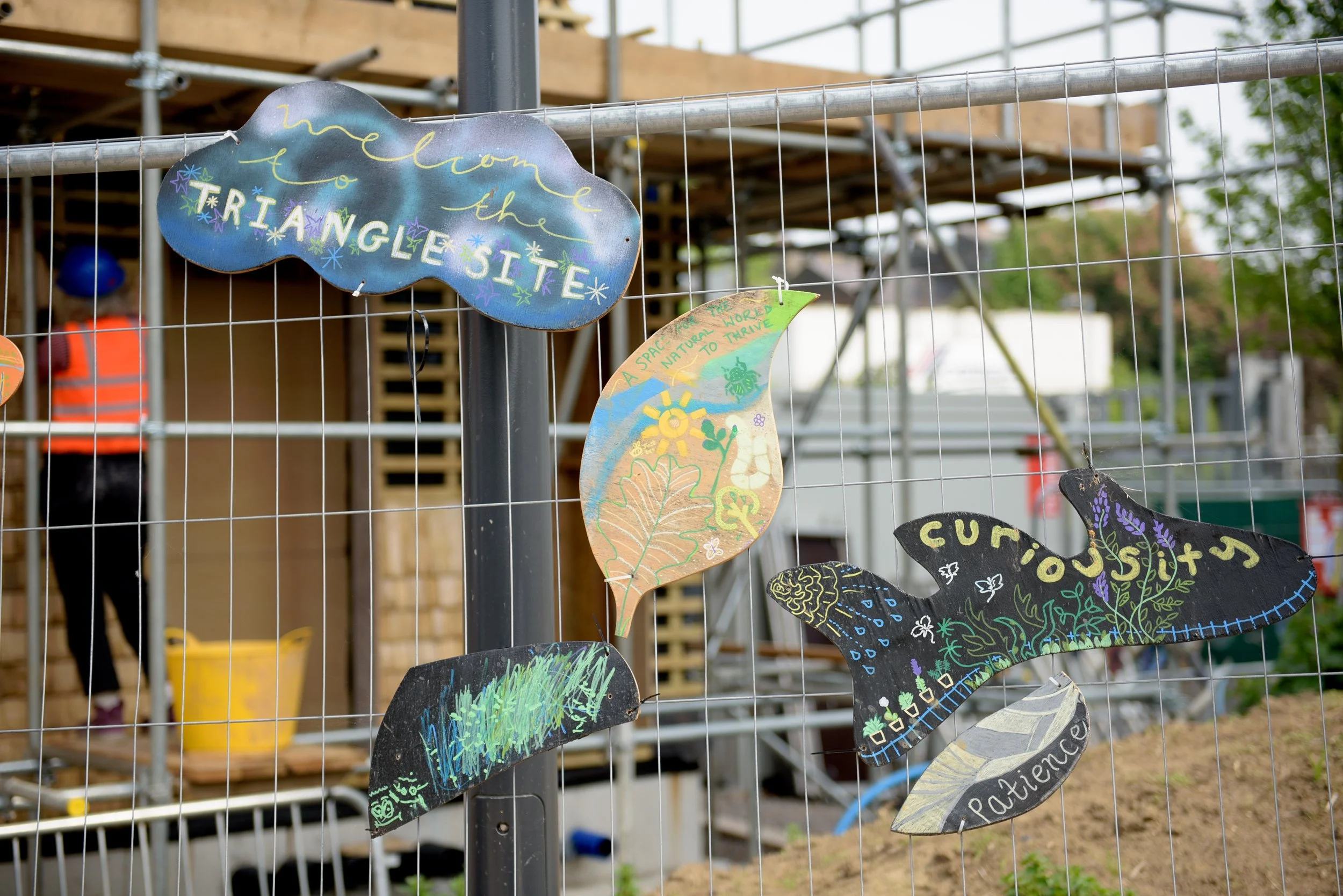
Since working on building the new triangle site I have been deeply contemplating waste in society. I understand the flaws and reality of mainstream recycling processes. We can often tell ourselves 'It's okay I can recycle this" only for donated clothes, old appliances and garbage to be shipped to countries in the global south. We are taught from a young age that we can just 'throw' things away without ever considering where away actually is. Away is on a beach in Ghana, where someone's livelihood and health has been destroyed by pollution, where bioaccumulation kills sacred creatures like whales and seabirds and end up as microplastics in our bloodstreams.
Our consumption is never seen as our responsibility; we 'own' something until we are finished with it and then it's someone else's responsibility. Imagine if we were held accountable to every item we ever bought it would more likely be repurposed, reused or not bought at all. Our donated clothes pollute wildlife and communities, damaged fast fashion plastic are dumped on communities with less infrastructure and resources to deal with it furthering environmental colonialism.
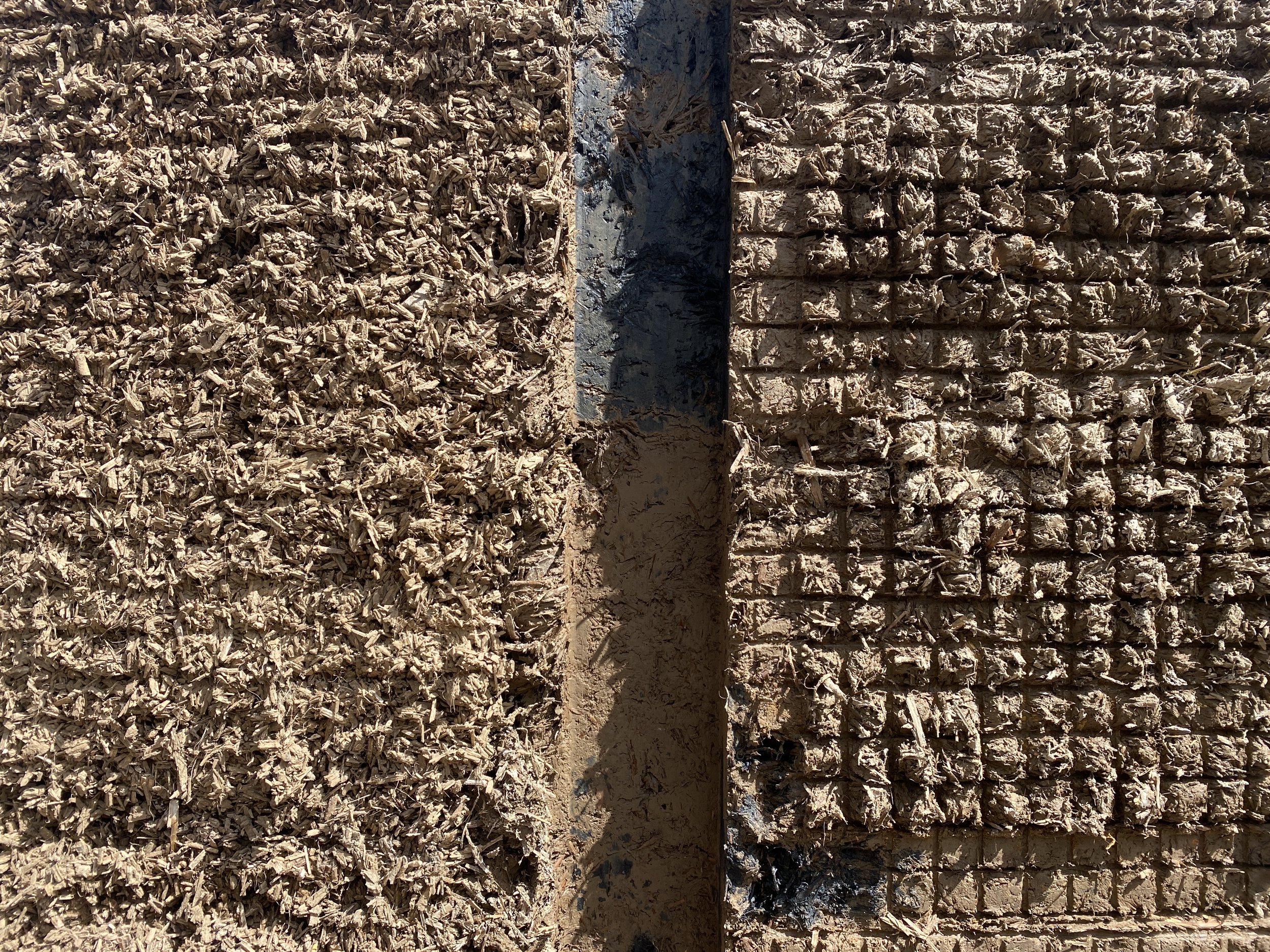
We must, like the cycle of nature, adopt circular economies. I have observed examples of this cycle in global generation. Where willow branches are cut and propagated to create more life or dried and soaked for building and weaving. The magical growth and regeneration of the willow tree symbolised the change we must make in society; using biodegradable materials, only harvesting what we truly need allowing nature to regenerate, taking time to create and grow and learning to do things ourselves instead of exploiting, mass producing items designed to break and shipping half way across the world.
When I look at the concrete skyscrapers of London I imagine all the concrete, waste and toxic materials the building work consumed. How unaligned with nature our paving and roads are; killing soil beneath and blocking water. This is why we must turn to localisation, building smaller and circular self-sustaining communities. We must acknowledge that every piece of wood was once a living tree.
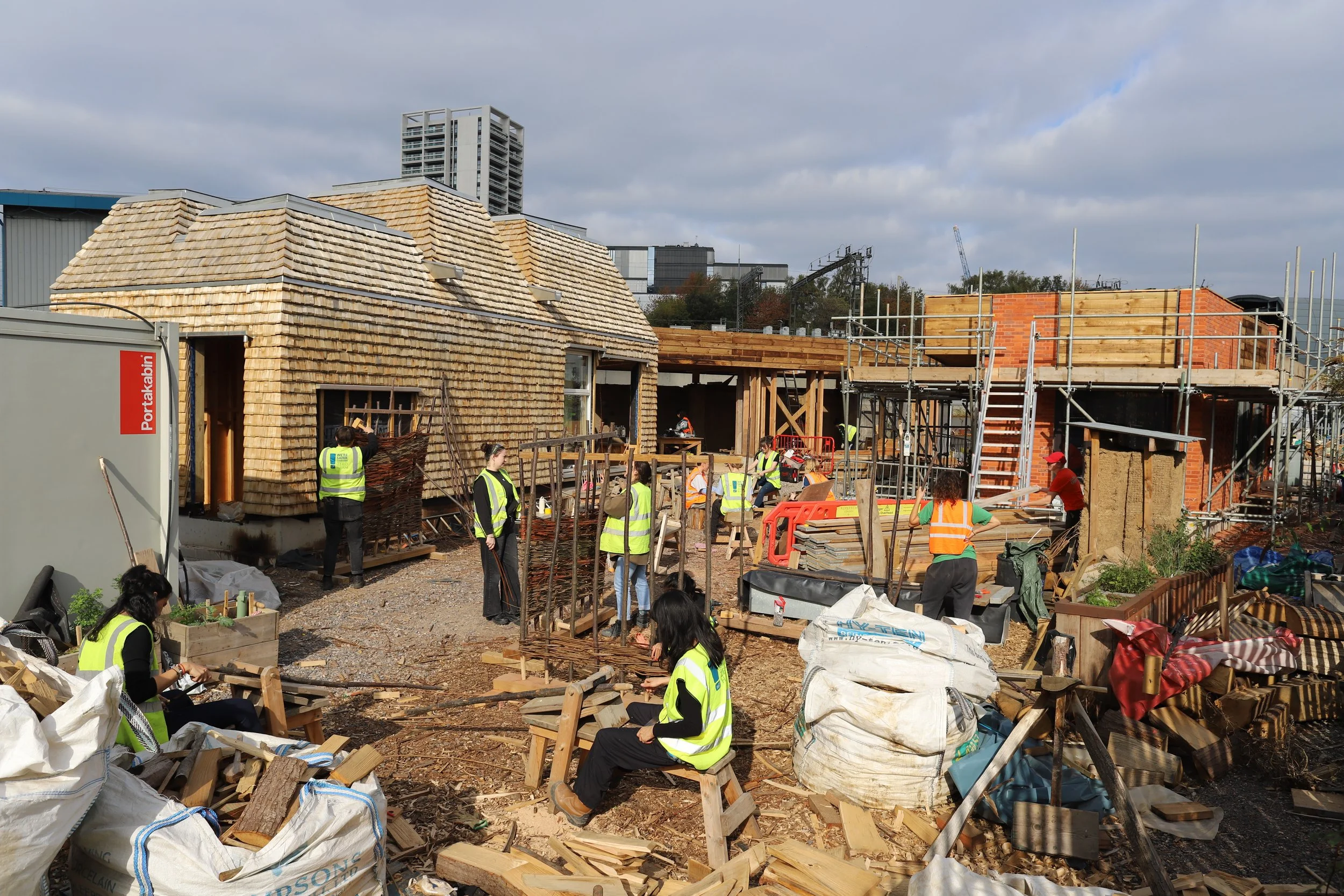
Notes from the Garden
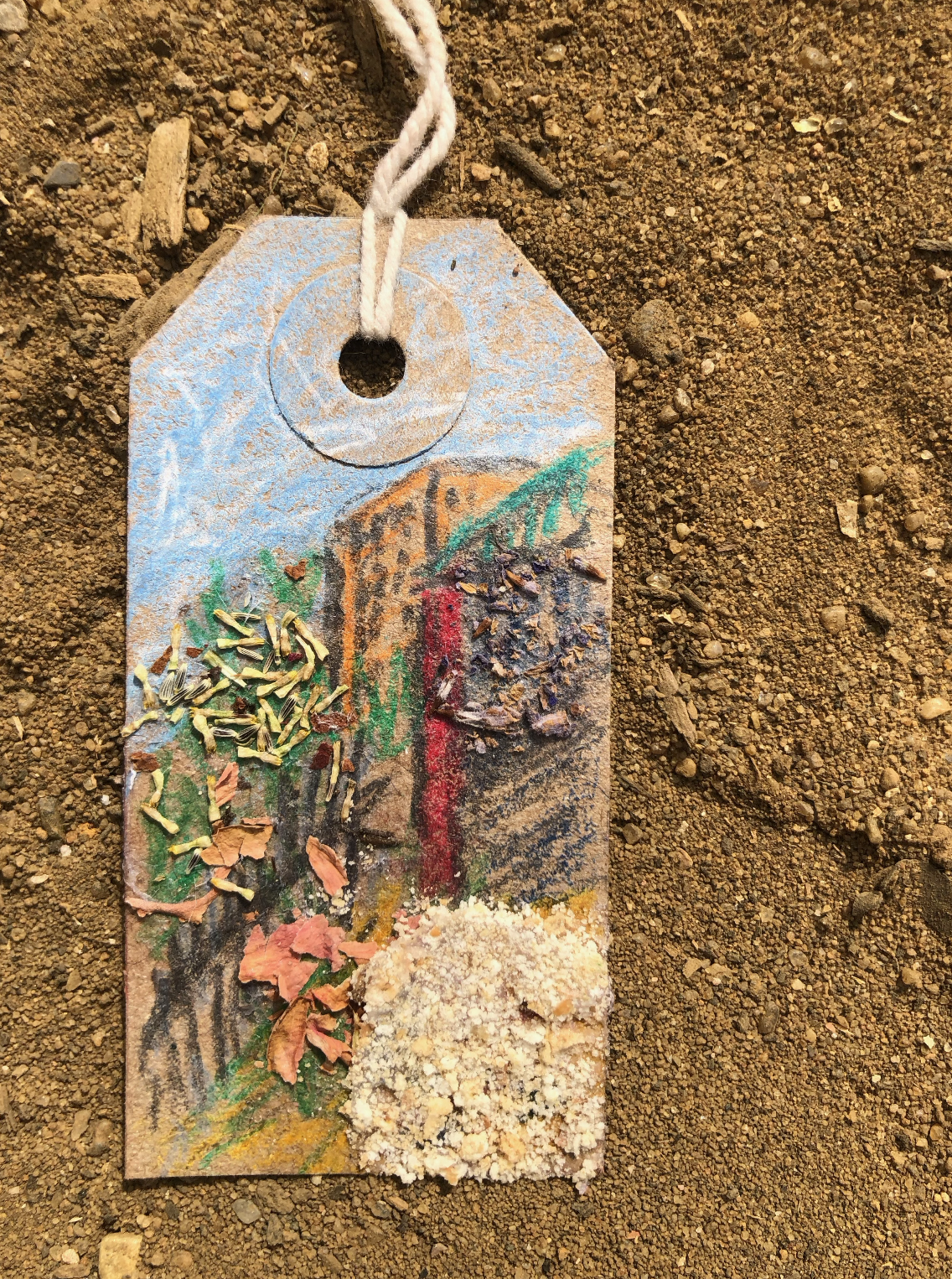
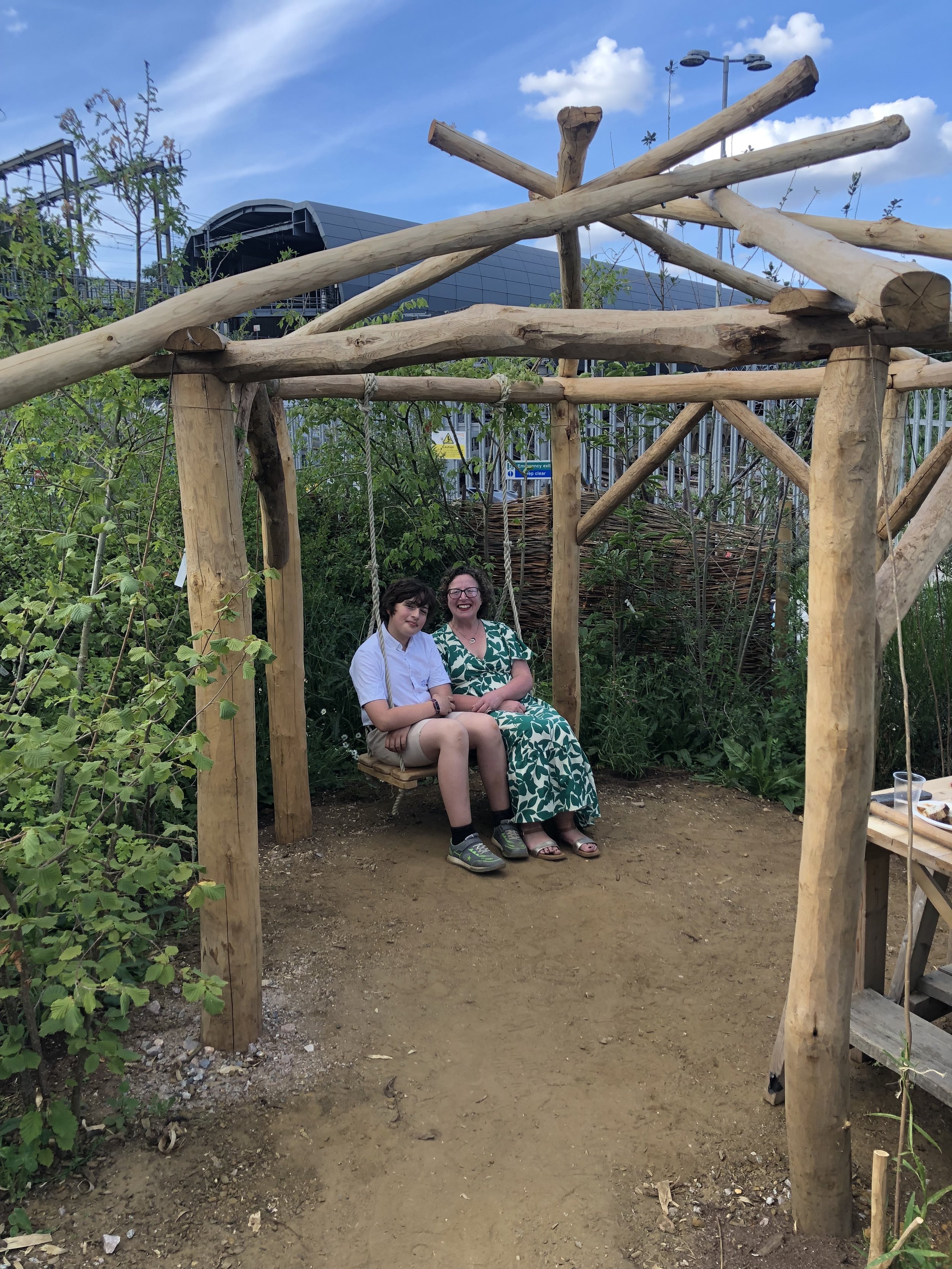
Carley Wootton, Story Garden Manager (maternity cover for Holly) writes about the move of the Story Garden in its new location (off York Way) and says that this process was a bit like making lunch: taking limited, rescued and unexpected ingredients and turning them into something new and worth sharing.